


 Sign in
 CN
CN

Discover All the Gas Spring Applications: A Complete Guide to Versatile Solutions
 Jan 05, 2026|
 View:29
Gas springs have become indispensable components across countless industries, silently powering smooth motion in everything from office chairs to aircraft cargo doors. These pressure-filled cylinders provide controlled, reliable force that makes our daily interactions with various products safer and more convenient. Whether you're an engineer seeking the right solution or a manufacturer looking to optimize product performance, understanding the full spectrum of gas spring applications is essential for making informed decisions.
This comprehensive guide explores how furniture gas springs, automotive gas springs, industrial gas springs, and aerospace gas springs serve critical functions across diverse sectors, helping you identify the perfect application for your specific needs.
Key Takeaways
Gas springs provide controlled force across furniture, automotive, industrial, and aerospace applications
Different load capacities and stroke lengths suit specific operational requirements
Proper selection based on application ensures optimal performance and longevity
COLEWELL manufactures specialized gas springs for diverse industry needs
Understanding application-specific requirements prevents premature failure and safety issues
Understanding Gas Spring Technology
Gas springs, also known as gas struts or gas dampers, operate on a simple yet effective principle. These sealed cylinders contain compressed nitrogen gas and hydraulic oil, with a piston rod that extends and retracts based on the internal pressure differential. The pressurized gas provides the lifting force, while the hydraulic fluid controls the speed of movement, creating smooth and predictable motion.
The basic components include a pressure tube, piston rod, piston with seal, end fittings, and the gas-oil mixture. According to research from the American Society of Mechanical Engineers, the efficiency of gas springs stems from their ability to maintain consistent force throughout their stroke length, unlike mechanical springs that vary in force as they compress or extend.
Furniture Gas Spring Applications
Furniture gas springs have revolutionized comfort and functionality in modern furnishings. These applications prioritize smooth operation, quiet performance, and long-term reliability under frequent use.
Office Seating Solutions
Office chairs represent the most common furniture gas spring application. Height-adjustable chairs utilize gas springs to support weight while allowing effortless position changes. A typical office chair gas spring must withstand 200-300 pounds and cycle through thousands of adjustments over its lifetime. COLEWELL produces specialized furniture gas springs designed for extended durability in high-use office environments.
Storage and Cabinet Systems
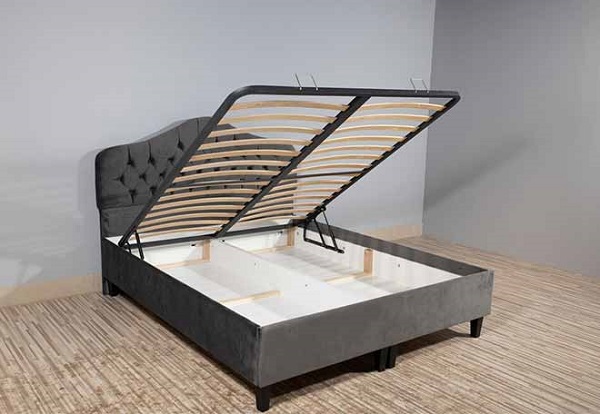
Modern kitchen cabinets, bedroom storage, and entertainment centers increasingly incorporate gas springs for soft-close mechanisms and lift-assist features. Upper cabinet doors equipped with gas springs stay open at any angle, preventing sudden closures that could cause injury. Ottoman storage compartments, murphy beds, and fold-down desks also benefit from controlled opening and closing provided by appropriately sized gas springs.
Medical and Healthcare Furniture
Hospital beds, examination tables, and dental chairs require precise positioning capabilities. Gas springs in medical furniture must meet stringent safety standards while providing smooth, controlled movement for patient comfort and caregiver convenience.
Automotive Gas Spring Applications
Automotive gas springs serve critical functions in vehicle design, combining safety, convenience, and aesthetic appeal. The automotive industry demands gas springs that withstand extreme temperatures, vibration, and environmental exposure.
Trunk and Hatch Systems
Rear hatch supports represent the most visible automotive gas spring application. These springs counterbalance the weight of trunk lids and rear hatches, allowing single-handed operation. Modern vehicles typically use two gas springs per hatch, with force ratings between 150-400 Newtons depending on the hatch weight and desired opening angle.
Hood Support Systems
Engine hood gas springs eliminate the need for traditional prop rods, providing safer and more convenient access to the engine compartment. These automotive gas springs must remain reliable despite exposure to engine heat and road contaminants.
Convertible Top Mechanisms
Convertible and retractable hardtop systems rely on multiple gas springs to assist the complex folding mechanisms. These applications require precise force coordination and synchronization to ensure smooth operation without placing excessive stress on mechanical components.
Seat and Steering Column Adjustment
Adjustable steering columns and seat back recliners incorporate gas springs for smooth position changes. Premium vehicles use gas spring dampers in suspension seats to reduce vibration and improve comfort during extended driving.

Industrial Gas Spring Applications
Industrial gas springs operate in demanding environments where reliability, strength, and precision are paramount. These heavy-duty applications often require custom solutions tailored to specific operational parameters.
Manufacturing Equipment
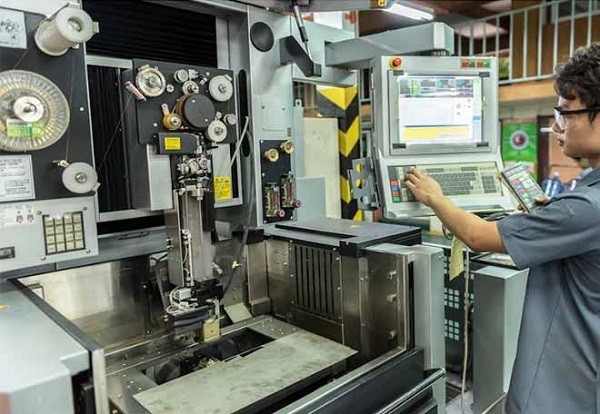
Assembly line machines, stamping presses, and injection molding equipment use industrial gas springs for safety guards, access panels, and ergonomic positioning. These applications benefit from the gas spring's ability to hold position under load while allowing controlled movement when needed. The National Institute of Standards and Technology recognizes the importance of proper force management in industrial safety systems.
Material Handling Systems
Conveyor system access doors, loading dock equipment, and warehouse storage solutions incorporate gas springs to reduce physical strain on workers. Adjustable workstation surfaces use gas springs to accommodate different operator heights and tasks, improving workplace ergonomics.
Agricultural Machinery
Tractors, combines, and other farm equipment utilize robust gas springs for hood access, operator cab doors, and implement positioning. These agricultural applications demand gas springs that function reliably despite exposure to dust, moisture, and temperature extremes.
Construction Equipment
Excavators, bulldozers, and construction vehicles require heavy-duty industrial gas springs for operator cab access, engine compartment panels, and equipment covers. COLEWELL engineers these products to withstand constant vibration and harsh job site conditions.
Aerospace Gas Spring Applications
Aerospace gas springs represent the pinnacle of gas spring engineering, meeting exacting standards for weight, reliability, and performance in extreme conditions. Aviation applications demand components that function flawlessly across wide temperature ranges and altitude variations.
Aircraft Cargo and Access Doors
Commercial and cargo aircraft rely on specialized aerospace gas springs for baggage compartment doors, emergency exits, and service panels. These critical components must meet certification standards established by aviation authorities like the Federal Aviation Administration. Weight considerations are paramount, as every ounce affects fuel efficiency and payload capacity.
Seating and Interior Components
Aircraft seats, tray tables, and overhead storage bins incorporate lightweight aerospace gas springs. First-class and business-class seating systems use multiple gas springs for recline mechanisms and leg rest positioning, all while maintaining minimal weight profiles.
Helicopter and Military Applications
Military helicopters and fixed-wing aircraft use aerospace gas springs in crew access doors, weapons bay covers, and avionics compartments. These applications often require custom force profiles and specialized end fittings to integrate with complex mechanical systems.
Specialized and Emerging Applications
Medical Equipment
Beyond furniture, medical devices like imaging equipment, surgical tables, and patient lift systems require precision-engineered gas springs. These applications demand cleanroom-compatible materials and precise force control for patient safety.
Marine Applications
Boats and yachts use corrosion-resistant gas springs for engine hatches, storage compartments, and seating. Marine-grade gas springs incorporate specialized seals and coatings to withstand saltwater exposure.
Fitness Equipment
Exercise machines, adjustable benches, and training equipment utilize gas springs for resistance adjustment and safety mechanisms. These applications require consistent performance through millions of cycles.
Vending and Kiosk Systems
Self-service kiosks, vending machines, and ATM enclosures use gas springs for secure yet accessible service panels. These applications benefit from controlled damping that prevents slamming while maintaining security.
Selection Criteria for Different Applications
Choosing the appropriate gas spring requires careful consideration of multiple factors. The following table outlines key parameters across different application categories:
| Application Type | Force Range (N) | Typical Stroke (mm) | Cycle Life | Key Requirements |
|---|---|---|---|---|
| Furniture Gas Spring | 100-500 | 80-200 | 50,000-100,000 | Quiet operation, smooth damping |
| Automotive Gas Spring | 150-800 | 100-300 | 30,000-60,000 | Temperature resistance, vibration tolerance |
| Industrial Gas Spring | 500-3000 | 100-500 | 100,000+ | Heavy-duty construction, environmental protection |
| Aerospace Gas Spring | 200-1500 | 50-250 | 20,000-50,000 | Lightweight materials, extreme temperature performance |
Why Choose COLEWELL for Your Gas Spring Needs
As a specialized manufacturer with extensive experience across furniture, automotive, industrial, and aerospace applications, COLEWELL understands the unique demands of each sector. Our engineering team works closely with clients to develop custom solutions that meet specific performance requirements while maintaining competitive pricing.
COLEWELL's manufacturing capabilities include precision machining, specialized coatings for corrosion resistance, and rigorous quality testing protocols. Each gas spring undergoes comprehensive performance validation to ensure it meets or exceeds application specifications. Our product range spans from compact furniture gas springs to heavy-duty industrial solutions capable of handling thousands of Newtons of force.
The company's commitment to innovation drives continuous improvement in materials, sealing technology, and manufacturing processes. This dedication ensures that COLEWELL gas springs deliver reliable performance across the full spectrum of applications, from everyday furniture to mission-critical aerospace systems.
Installation and Maintenance Considerations
Proper installation significantly affects gas spring performance and longevity. The piston rod should always be installed facing downward when possible, allowing the internal lubrication to coat the seals properly. Mounting angles, stroke length, and attachment points must be calculated to ensure the gas spring operates within its designed parameters.
Regular inspection helps identify potential issues before failure occurs. Check for oil leakage around the piston rod seal, which indicates worn seals. Rust or corrosion on the piston rod can damage seals during operation. The International Organization for Standardization provides guidelines for gas spring testing and quality assurance that inform best practices in maintenance.
Future Trends in Gas Spring Technology
The gas spring industry continues evolving with advances in materials science and manufacturing technology. Smart gas springs with integrated sensors are emerging for automotive and industrial applications, providing real-time data on force, position, and wear status. Environmentally friendly gas alternatives and recyclable materials are becoming priorities as sustainability concerns grow.
Electric vehicles present new opportunities and challenges for automotive gas springs, requiring solutions that minimize weight while maintaining performance. Aerospace applications are exploring composite materials and advanced sealing systems to further reduce weight and improve reliability in extreme conditions.
Frequently Asked Questions
What is the lifespan of a typical gas spring?
Gas spring lifespan varies by application and quality. Furniture gas springs typically last 50,000-100,000 cycles, automotive applications 30,000-60,000 cycles, while industrial gas springs can exceed 100,000 cycles. Proper installation and operating conditions significantly impact longevity.
Can gas springs be repaired or must they be replaced?
Gas springs are sealed units and cannot be repaired once they lose pressure or develop leaks. Attempting to repair them poses safety risks. Replacement with properly specified units is the recommended solution when performance degrades.
How do I determine the correct force rating for my application?
Calculate the force by considering the weight being supported, mounting geometry, desired opening speed, and holding position requirements. Most manufacturers, including COLEWELL, provide technical support and calculation tools to ensure proper selection.
What's the difference between compression and tension gas springs?
Compression gas springs push outward and are the most common type. Tension gas springs pull inward when activated. The choice depends on mounting configuration and the direction of force needed for the application.
Are gas springs safe in extreme temperatures?
Standard gas springs operate between -20°C to +80°C. Specialized versions for automotive and aerospace applications can handle -40°C to +120°C. Always verify temperature specifications match your operating environment to ensure safety and performance.
How do industrial gas springs differ from furniture models?
Industrial gas springs feature heavier construction, higher force ratings, enhanced environmental protection, and longer cycle life. They use larger diameter rods and tubes with reinforced seals to handle demanding operational conditions.
Understanding the diverse applications of gas springs helps engineers, designers, and manufacturers select optimal solutions for their specific needs. From furniture comfort to aerospace precision, gas springs provide reliable, controlled force across countless applications. Whether you need furniture gas springs for ergonomic seating, automotive gas springs for vehicle access systems, industrial gas springs for heavy machinery, or aerospace gas springs for aviation components, choosing the right product ensures optimal performance, safety, and longevity.


