

 Sign in
 CN
CN

What Are Gas Springs Used For?
 Dec 06, 2024|
 View:18
Gas springs are versatile mechanical devices that provide controlled force and smooth motion across countless applications. From automotive hoods to office furniture, these pneumatic cylinders deliver reliable support, lifting assistance, and damping control that traditional mechanical springs simply cannot match.
Key Benefits: Gas springs reduce effort by up to 90% compared to manual lifting, operate smoothly across temperature ranges from -40°C to 80°C, and provide consistent force output throughout their service life. The global gas spring market is projected to reach $2.8 billion by 2028, driven by automotive innovation and furniture automation demands.
Key Takeaways
• Gas springs provide controlled lifting force for automotive, furniture, and industrial applications where smooth operation is essential.
• Automotive gas struts support hoods, tailgates, and trunks, reducing manual effort while ensuring safety and reliability.
• Furniture gas springs enable height adjustment in office chairs, desks, and storage solutions for ergonomic comfort.
• Industrial applications benefit from precise force control in machinery, medical equipment, and aerospace systems.
• Choosing the right gas spring depends on load capacity, stroke length, and environmental conditions for optimal performance.
Gas Spring Overview
What Are Gas Springs?
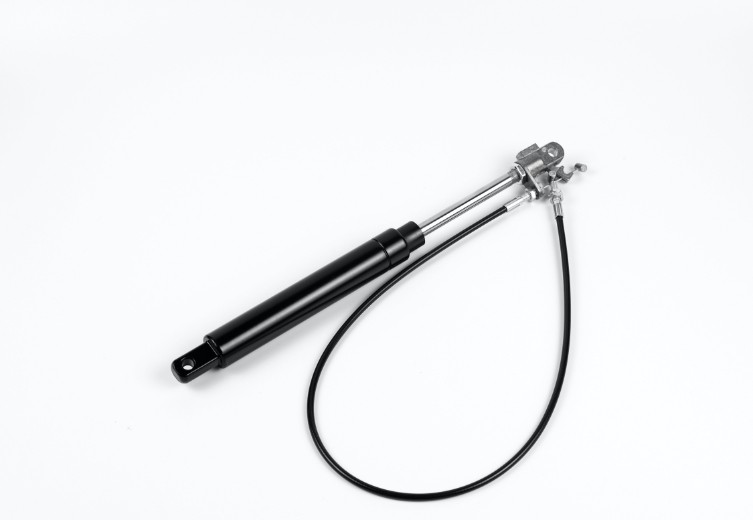
Gas springs, also known as gas struts, gas shocks, or pneumatic cylinders, are sealed units filled with pressurized nitrogen gas. These devices convert stored gas pressure into linear force, providing smooth and controlled motion for lifting, lowering, and positioning applications.
Core Components:
• Pressure tube: Contains nitrogen gas under high pressure (typically 50-150 bar)
• Piston rod: Moves in and out of the cylinder to provide force
• Sealing system: Prevents gas leakage and maintains pressure
• Mounting hardware: Connects the gas spring to applications
The table below shows common gas spring types and their specifications:
| Gas Spring Type | Force Range | Stroke Length | Temperature Range | Applications |
| Standard | 50-2000N | 50-500mm | -20°C to 60°C | Automotive, furniture |
| Stainless Steel | 100-1500N | 75-400mm | -40°C to 80°C | Marine, food industry |
| Lockable | 200-3000N | 100-600mm | -10°C to 70°C | Medical, adjustable furniture |
| Adjustable Force | 300-5000N | 150-800mm | -20°C to 60°C | Industrial machinery |
How Gas Springs Work
Gas springs operate on Pascal's principle, where pressurized gas creates force when applied to a piston surface. When you compress the piston rod, gas pressure increases, providing resistance. When released, the stored pressure extends the rod with controlled force.
Operating Principles:
• Extension force: Gas pressure pushes the rod outward
• Compression damping: Oil controls the speed of compression
• Progressive force: Force increases as the rod compresses further
• Temperature compensation: Gas pressure adjusts with temperature changes
Performance Benefits:
• Consistent force output: Unlike coil springs, gas springs maintain steady force throughout their stroke
• Smooth operation: Internal damping eliminates bounce and vibration
• Long service life: Sealed design protects against contamination and wear
• Compact design: High force-to-size ratio saves space compared to mechanical alternatives
Automotive Gas Spring Applications
Car Gas Strut Systems
Car gas struts are essential components in modern vehicles, providing effortless operation of hoods, tailgates, trunks, and doors. These Car Gas Struts eliminate the need for manual support props while ensuring safe, controlled movement.

Hood Support Systems
Hood gas struts replace traditional hood props, offering several advantages:
• Hands-free operation: No need to locate and position manual props
• Safety enhancement: Prevents sudden hood closure during maintenance
• Weather resistance: Sealed design withstands automotive environments
• Space efficiency: Eliminates storage requirements for mechanical props
Studies show that properly functioning hood gas struts reduce service time by 25% and improve technician safety during engine maintenance.
Tailgate and Trunk Applications
Tailgate gas struts and trunk supports handle heavier loads while providing smooth operation.
• Load capacity: Support weights from 15kg to 50kg depending on vehicle size
• Damping control: Prevents slamming while allowing easy closing
• All-weather performance: Maintains function in extreme temperatures
• Corrosion resistance: Special coatings protect against road salt and moisture
Specialized Automotive Uses
Convertible Top Systems
Convertible vehicles use multiple gas springs to operate soft tops and hard tops.
• Synchronized movement: Multiple gas struts work together for smooth operation
• Position holding: Lockable gas springs maintain intermediate positions
• Wind resistance: High-force units overcome aerodynamic loads
• Compact packaging: Space-efficient design fits within vehicle constraints
Seat and Interior Applications
Modern automotive interiors incorporate gas springs for various applications:
• Seat height adjustment: Driver and passenger seat positioning
• Lumbar support: Adjustable back support systems
• Armrest operation: Smooth lifting and positioning
• Console access: Easy opening of storage compartments
Furniture Gas Spring Applications
Furniture Gas Springs for Office Solutions
Furniture gas springs revolutionize modern office environments by enabling effortless adjustment and positioning of workplace equipment. These pneumatic systems provide the foundation for ergonomic furniture that adapts to user needs throughout the workday.

Office Chair Systems
Office chairs rely heavily on gas spring technology:
• Height adjustment: Pneumatic cylinders allow instant seat height changes from 400mm to 550mm
• Tilt mechanism: Gas springs provide controlled reclining with lock positions
• Armrest positioning: Independent adjustment for optimal arm support
• Back support: Dynamic lumbar adjustment following user movement
Premium office chairs use gas springs rated for 100,000+ adjustment cycles, ensuring reliable performance over years of daily use.
Desk and Workstation Applications
Modern desks integrate gas spring systems for versatility.
• Height-adjustable desks: Smooth transition between sitting and standing positions
• Monitor arms: Effortless screen positioning and viewing angle adjustment
• Keyboard trays: Ergonomic positioning for optimal typing comfort
• Storage access: Easy opening of overhead cabinets and storage units
Specialized Furniture Solutions
Advanced furniture applications include:
• Medical furniture: Hospital beds, examination tables, and dental chairs
• Hospitality seating: Restaurant booths and hotel furniture with adjustment features
• Educational furniture: Adjustable desks and chairs for different age groups
• Home furniture: Reclining chairs, adjustable tables, and storage solutions
Storage and Cabinet Applications
Furniture gas springs enhance storage solutions:
• Kitchen cabinets: Soft-close and lift-assist mechanisms for upper cabinets
• Wardrobe systems: Effortless opening of heavy doors and pull-down hanging rods
• Storage benches: Smooth lid operation with safety holding positions
• Display cases: Controlled opening for retail and museum applications
Industrial and Specialized Applications
Manufacturing and Machinery
Industrial gas springs serve critical functions in manufacturing environments:
• Machine covers: Safe and easy access to equipment interiors
• Conveyor systems: Adjustable height platforms and guides
• Assembly fixtures: Positioning aids for manufacturing processes
• Safety guards: Controlled access to hazardous machinery areas
Medical Equipment
Medical applications demand precise, reliable gas spring performance:
• Hospital beds: Patient positioning and height adjustment
• Surgical tables: Multi-axis positioning for optimal access
• Dental chairs: Smooth patient positioning and comfort
• Medical carts: Height adjustment and equipment positioning
Aerospace and Marine
Specialized environments require enhanced gas spring designs:
• Aircraft seating: Lightweight, high-strength positioning systems
• Marine applications: Corrosion-resistant materials for harsh conditions
• Emergency equipment: Reliable operation in extreme situations
• Precision instruments: Vibration isolation and positioning control
Gas Spring Selection and Maintenance
Choosing the Right Gas Spring
Selecting the appropriate gas spring requires careful consideration of several technical factors:
Load Requirements:
• Force calculation: Determine required extension force based on load weight and geometry
• Safety factor: Apply 1.2-1.5 safety margin for reliable operation
• Dynamic loads: Consider impact forces and acceleration effects
• Fatigue life: Select ratings appropriate for expected cycle count
Environmental Considerations:
• Temperature range: Match gas spring specifications to operating conditions
• Corrosive environments: Choose stainless steel or specially coated units
• Contamination exposure: Select appropriate sealing systems
• Mounting orientation: Consider installation angle effects on performance
Installation Guidelines
Proper installation ensures optimal gas spring performance:
• Mounting angles: Follow manufacturer specifications for optimal force delivery
• Attachment points: Use appropriate hardware and mounting techniques
• Alignment: Ensure smooth operation without binding or side loading
• Safety considerations: Install with proper support during initial setup
Maintenance Best Practices
Regular maintenance extends gas spring service life.
• Visual inspection: Check for leakage, damage, and wear
• Function testing: Verify smooth operation and proper force output
• Cleaning: Remove contamination from rod and seals
• Replacement schedule: Monitor performance and replace before failure
Maintenance Schedule:
• Monthly: Visual inspection and function check
• Quarterly: Detailed performance evaluation
• Annually: Professional assessment and replacement planning
• As needed: Immediate replacement if performance degrades
Conclusion
Gas springs provide essential functionality across automotive, furniture, and industrial applications where smooth, controlled motion is required. From car gas struts that support vehicle hoods to furniture gas springs that enable office chair adjustment, these versatile devices enhance safety, convenience, and performance.
When selecting gas spring solutions for your applications, consider load requirements, environmental conditions, and service life expectations. Professional consultation ensures optimal performance and long-term reliability.
For your gas spring supply needs, choosing an experienced gas spring supplier ensures access to quality products, technical expertise, and reliable support throughout your project lifecycle.
FAQ
What is the typical lifespan of a gas spring?
Quality gas springs typically last 50,000 to 100,000 cycles under normal operating conditions, with premium units exceeding 150,000 cycles in controlled environments.
Can gas springs be repaired or refilled?
Most gas springs are sealed units designed for replacement rather than repair. Attempting to refill or repair can compromise safety and performance.
How do I calculate the required gas spring force?
Force calculation depends on load weight, mounting geometry, and desired operation. Multiply the load by the distance ratio between the load center and gas spring mounting points.
What causes gas springs to lose force over time?
Force reduction typically results from minor seal leakage, temperature effects, or normal gas permeation through sealing materials over extended periods.
Are gas springs safe for vertical mounting?
Yes, gas springs can be mounted vertically, but force output may vary slightly due to internal friction and seal drag effects compared to angled installations.