

 Sign in
 CN
CN

Layout And Function Of Lockable Gas Spring
 Jan 17, 2025|
 View:42
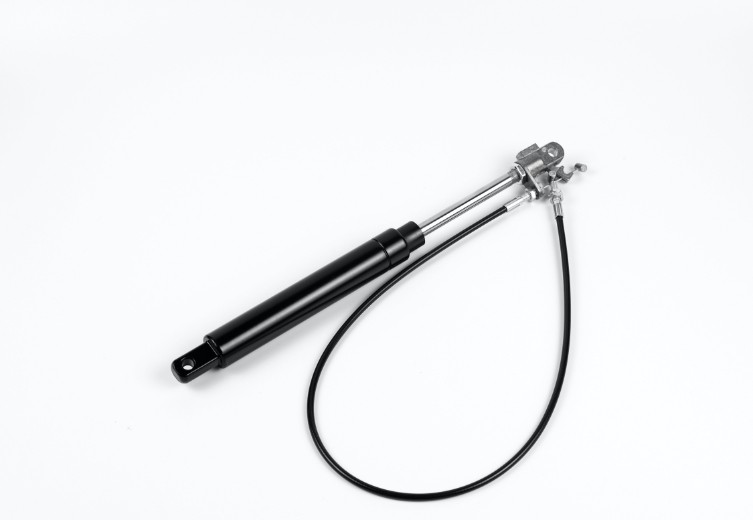
The layout and function of lockable gas spring systems represent a breakthrough in mechanical engineering, combining precise structural design with advanced operational principles. These sophisticated components integrate multiple functional layers within a compact cylindrical housing, delivering both pneumatic assistance and mechanical locking capabilities through carefully engineered internal layouts.
Understanding the layout and function of lockable gas spring technology reveals how strategic component placement and interaction create reliable positioning control. Modern designs achieve holding forces up to 5,000N while maintaining smooth operation through optimized internal layouts that separate gas compression, hydraulic damping, and locking mechanisms.
Key Takeaways
The layout of lockable gas spring includes five primary zones: gas chamber, piston assembly, locking mechanism, hydraulic damping system, and control interface
Function operates through coordinated interaction between pneumatic force generation, mechanical locking engagement, and hydraulic motion control
Internal layout optimization enables compact design while maintaining separation between gas, oil, and locking components
Functional principles combine constant gas pressure with variable mechanical locking to provide infinite position control
Layout design directly influences performance characteristics including force output, locking accuracy, and operational reliability
Lockable Gas Spring Layout Architecture
Primary Layout Components
The layout and function of lockable gas spring systems follow a sophisticated multi-zone architecture. The cylindrical housing contains five distinct functional areas, each optimized for specific operational requirements. This layout arrangement ensures optimal performance while maintaining compact external dimensions.
Zone 1: Gas Compression Chamber
Located in the sealed end of the cylinder, this zone contains compressed nitrogen gas at pressures ranging from 80-150 bar. The layout positions this chamber to provide consistent force output while maintaining separation from other functional components.
Zone 2: Piston Assembly Area
The central zone houses the primary piston that responds to gas pressure. The layout includes sealing systems, guide mechanisms, and force transmission components that convert gas pressure into mechanical motion.
Zone 3: Locking Mechanism Zone
Positioned along the piston rod path, this zone contains the mechanical locking components. The layout design varies based on locking technology but typically includes engagement elements, trigger mechanisms, and holding components.
Zone 4: Hydraulic Damping Chamber
Located adjacent to the piston assembly, this zone contains oil-filled chambers with calibrated orifices. The layout enables controlled fluid flow that regulates motion speed and provides smooth operation characteristics.
Zone 5: Control Interface Area
Positioned at the external access point, this zone houses activation triggers, cable connections, or pneumatic fittings. The layout design enables user interaction with internal locking mechanisms.

Structural Layout Relationships
The layout and function relationship in lockable gas spring design requires precise spatial coordination between components. Gas pressure zones must maintain separation from locking mechanisms to prevent interference, while hydraulic damping areas need integrated flow paths to the main piston chamber.
Component layout specifications include:
| Layout Zone | Typical Length | Diameter Range | Function Integration |
| Gas Chamber | 30-60mm | Full bore | Primary force generation |
| Piston Area | 20-40mm | 80% bore | Force transmission |
| Lock Zone | 15-50mm | Variable | Position control |
| Damping | 10-25mm | 60% bore | Motion regulation |
| Control | 5-15mm | External | User interface |
Layout Design Principles
Effective layout and function integration follows established design principles that optimize performance while minimizing size. The layout arranges high-pressure gas areas away from moving mechanical components, while positioning locking mechanisms for optimal engagement along the stroke length.
Layout design considerations include:
Pressure Containment: Gas chambers require robust sealing and wall thickness
Motion Clearance: Moving components need adequate space for full stroke operation
Thermal Management: Layout accounts for temperature expansion of different materials
Service Access: Critical components require accessible positioning for maintenance
Function Analysis of Lockable Gas Spring Systems
Primary Function Mechanisms
The function of lockable gas spring systems operates through three integrated subsystems working in coordinated sequence. Each functional element contributes specific capabilities while interacting with other components to achieve overall system performance.
Gas Pressure Function
The primary function begins with compressed nitrogen providing consistent force output. Gas pressure creates pneumatic assistance that supports load weight and enables smooth motion control. This function operates continuously throughout the stroke length, maintaining relatively constant force regardless of position.
Gas function characteristics:
Pressure Range: 80-150 bar for optimal performance
Force Output: Linear relationship to gas pressure and piston area
Temperature Response: Pressure adjusts naturally with ambient conditions
Consistency: ±5% force variation across full stroke length
Hydraulic Damping Function
The damping function controls motion velocity through calibrated oil flow restrictions. This function prevents rapid or uncontrolled movement while maintaining smooth operational characteristics. Flow control mechanisms enable adjustment of damping force following pneumatic actuator design principles for specific application requirements.
Damping function operates through:
Compression Control: Regulates closing velocity
Extension Control: Manages opening speed
Bi-directional Flow: Separate control for each motion direction
Progressive Response: Velocity-sensitive damping adjustment
Mechanical Locking Function
The locking function provides secure position holding through mechanical engagement mechanisms. This function operates independently of gas pressure, ensuring reliable position control even under varying load conditions. Engagement and release occur through external trigger activation.
Locking function principles include:
Positive Engagement: Mechanical contact prevents movement
Infinite Positioning: Locking available at any stroke position
High Holding Force: Mechanical advantage multiplies trigger force
Fail-Safe Operation: Maintains lock position without continuous power
Function Integration and Coordination
The layout and function of lockable gas spring systems require precise coordination between all operational elements. Gas pressure provides the primary motive force, hydraulic damping controls motion characteristics, and mechanical locking enables position control. These functions operate simultaneously without interference.
Function coordination involves:
Sequential Operation: Gas pressure initiates motion, damping controls velocity, locking provides positioning
Independent Control: Each function operates through separate mechanisms
Coordinated Response: All functions respond to load changes and environmental conditions
Synchronized Performance: Functions work together to achieve smooth, controlled, lockable operation
Advanced Function Characteristics
Modern lockable gas spring function incorporates advanced features that enhance performance and reliability. These functional improvements result from optimized layout designs and enhanced component integration.
Progressive Function Response
Advanced systems provide variable function characteristics based on operating conditions. Gas pressure adjusts for temperature changes, damping responds to motion velocity, and locking force adapts to load requirements.
Multi-Position Function
Some layouts enable multiple discrete locking positions along the stroke length. This function provides predetermined stopping points while maintaining infinite positioning capability between fixed locations.
Integrated Safety Function
Safety-enhanced designs incorporate function elements that prevent accidental operation or failure. These include pressure relief valves, mechanical lock indicators, and redundant sealing systems.
Layout And Function Optimization Strategies
Performance-Based Layout Design
Optimizing the layout and function of lockable gas spring systems requires balancing multiple performance requirements within space constraints. Layout decisions directly impact functional capabilities, with component positioning affecting force output, locking accuracy, and operational reliability.
Force Optimization Layout
Maximum force output requires large gas chamber volume and optimal piston diameter. The layout positions the gas chamber to utilize available cylinder length while maintaining adequate space for other functional components.
Precision Locking Layout
High-precision positioning demands tight tolerances in locking mechanism placement. The layout positions engagement components for optimal mechanical advantage while minimizing backlash and position error.
Compact Design Layout
Space-constrained applications require integrated layout approaches that combine multiple functions within shared zones. Advanced layouts overlap non-interfering functions to minimize overall length.
Function Enhancement Through Layout
Strategic layout modifications can enhance specific functional characteristics without compromising overall performance. Understanding the relationship between layout and function enables targeted improvements for specific application requirements.
Layout modifications for enhanced function include:
Extended Gas Chamber: Increases force consistency across stroke length
Multi-Stage Damping: Provides variable velocity control through stroke
Distributed Locking: Enables multiple locking points along rod length
Integrated Mounting: Combines attachment points with functional components
Application-Specific Layout Adaptations
The layout and function of lockable gas spring systems can be adapted for specific application requirements. Furniture applications, including Lockable Gas Spring For Sofa mechanisms, benefit from layouts optimized for smooth operation and secure positioning under variable loads.
Application-specific adaptations include:
Automotive Layout: Optimized for vibration resistance and temperature extremes
Furniture Layout: Designed for smooth operation and aesthetic integration
Industrial Layout: Built for heavy-duty performance and extended service life
Medical Layout: Configured for precision control and contamination resistance
Maintenance and Service Considerations
Layout Accessibility for Service
Proper layout and function maintenance requires accessible design that enables inspection and service without complete disassembly. Service-friendly layouts position wear items and adjustment mechanisms for easy access while protecting critical sealing components.
Service access considerations include:
External Adjustment: Damping and pressure controls accessible without disassembly
Inspection Points: Visual indicators for gas pressure and locking function
Replacement Access: Wear components positioned for field replacement
Diagnostic Features: Built-in function testing capabilities
Function Monitoring and Diagnostics
Advanced layout designs incorporate monitoring capabilities that track functional performance over time. These systems provide early warning of potential issues while enabling predictive maintenance scheduling.
Function monitoring includes:
Pressure Monitoring: Gas pressure tracking for leak detection
Force Measurement: Load monitoring for performance verification
Position Feedback: Stroke position confirmation for control systems
Temperature Sensing: Thermal monitoring for optimal operation
Conclusion
The layout and function of lockable gas spring systems demonstrate sophisticated engineering that combines multiple mechanical principles within compact, reliable packages. Understanding these layout relationships and functional interactions enables optimal selection and application of this versatile technology.
Professional applications requiring precise layout and function coordination benefit from expert guidance in system specification and installation. For demanding applications requiring reliable lockable gas spring solutions, selecting an experienced gas spring manufacturer ensures access to advanced layout designs and proven functional performance. Colewell provides comprehensive engineering expertise and optimized lockable gas spring technology that delivers superior layout efficiency and enhanced functional capabilities.
Frequently Asked Questions
How does the internal layout affect lockable gas spring performance?
The internal layout directly determines functional performance by controlling component interaction, pressure containment, and mechanical engagement. Optimized layouts provide better force consistency, more precise locking, and improved operational reliability.
What are the key functional differences between layout designs?
Layout variations affect force output characteristics, locking precision, stroke length capabilities, and mounting configurations. Each layout optimizes specific functional aspects based on application requirements.
Can the layout and function be customized for specific applications?
Yes, experienced manufacturers can modify both layout architecture and functional characteristics to meet specific requirements including custom forces, specialized locking mechanisms, and application-specific mounting configurations.
How do you verify proper layout and function performance?
Performance verification includes force testing across the full stroke, locking mechanism engagement testing, damping characteristic measurement, and pressure retention testing to confirm all functional aspects meet specifications.