


 Sign in
 CN
CN

Hood Gas Strut: Pros And Cons You Should Know
 Dec 23, 2025|
 View:31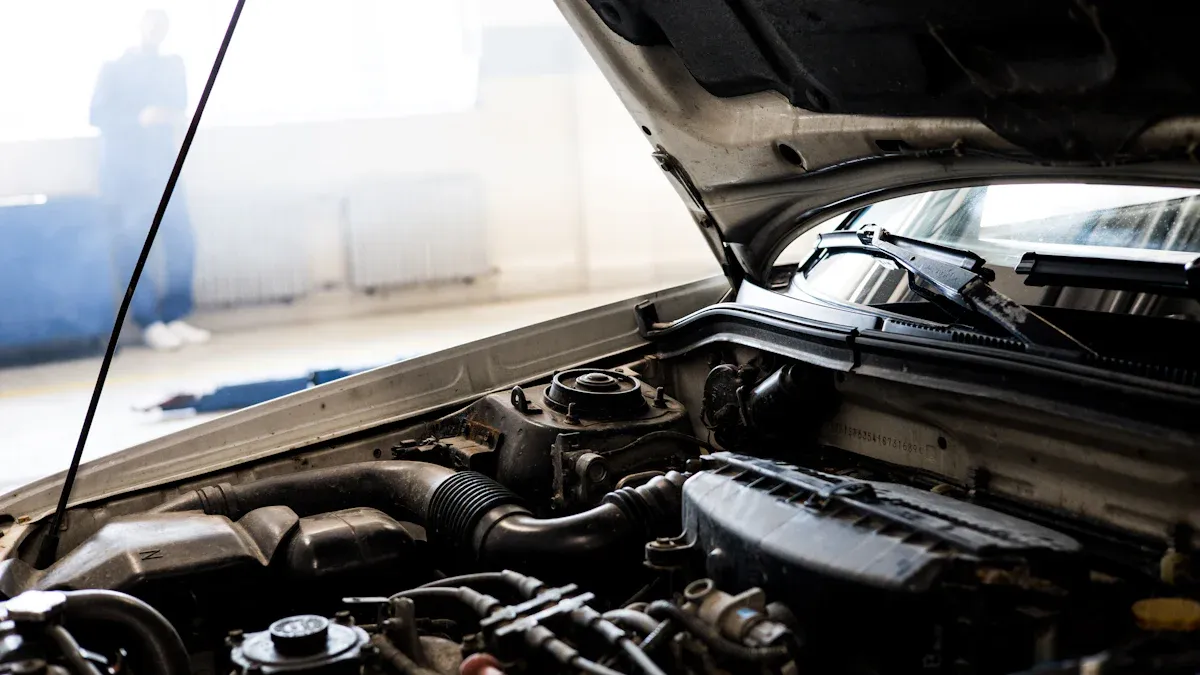
Car owners often wonder if a hood gas strut or a traditional prop rod offers better convenience, safety, and maintenance. Each support style brings unique benefits and challenges. Drivers should consider what matters most—easy access, long-term reliability, cost, and upkeep. Recent studies reveal new performance data that help people make informed choices.
Key Takeaways
Hood gas struts provide hands-free operation, allowing users to work with both hands free while accessing the engine bay.
These struts enhance safety by preventing the hood from falling unexpectedly, reducing the risk of injury during maintenance.
Hood gas struts offer a modern and clean appearance, improving the overall look of the engine bay compared to traditional prop rods.
While gas struts are convenient, they require regular maintenance and may need replacement every few years due to wear and gas leakage.
Prop rods are more affordable and reliable, often lasting the life of the vehicle with minimal maintenance required.
Using a prop rod requires manual effort to position, which can be inconvenient, especially in tight spaces or poor weather conditions.
The choice between hood gas struts and prop rods depends on budget, vehicle type, and personal preference for convenience and safety.
For frequent maintenance, hood gas struts may be worth the investment, while prop rods are ideal for those seeking simplicity and low cost.
Hood Gas Strut Overview
What Are Hood Gas Struts
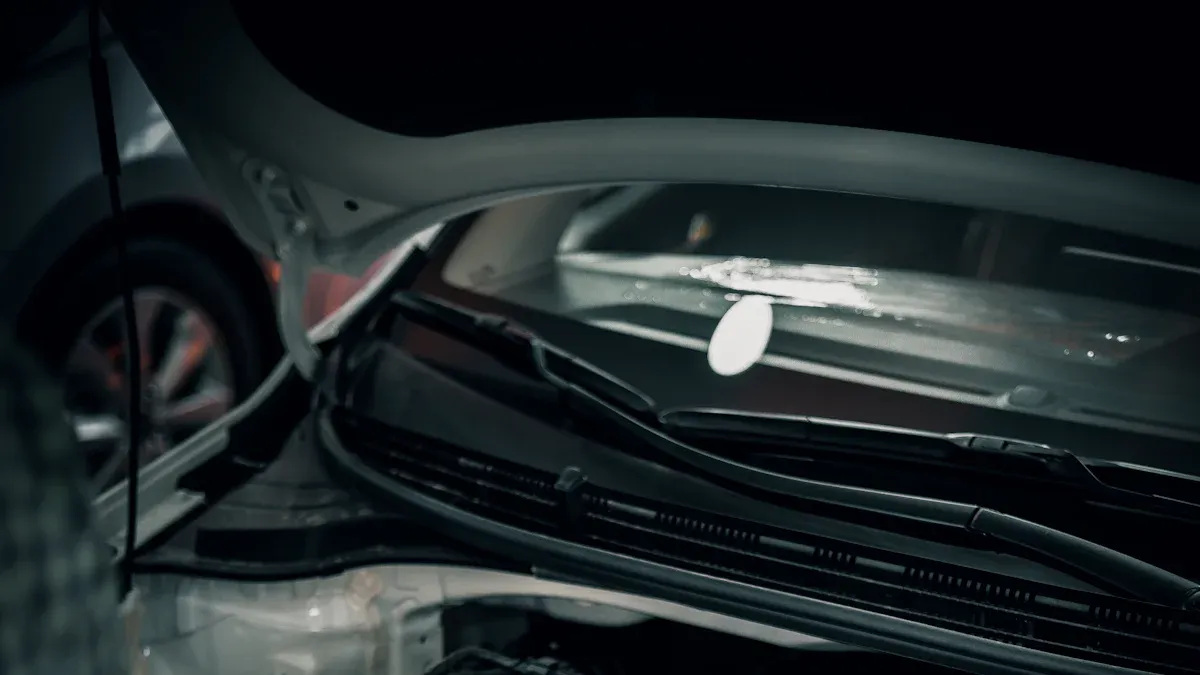
A hood gas strut is a mechanical device that helps lift and support the hood of a vehicle. This component uses pressurized gas to provide a smooth and controlled motion. Drivers rely on hood gas struts to keep the hood open safely while working on the engine or performing maintenance. These struts replace older support methods by offering a more modern and convenient solution.
Note: Hood gas struts improve safety by preventing the hood from falling unexpectedly.
How They Work
Hood gas struts operate through a combination of mechanical parts and pressurized gas. The main components and their functions appear in the table below:
Component/Mechanism | Description |
|---|---|
Cylinder | Houses the piston and is typically made of durable materials like steel or aluminum. |
Piston | Equipped with seals to prevent gas leakage, responsible for the controlled movement of gas. |
Gas Chamber | Contains compressed nitrogen gas, critical for the spring's functionality. |
Compression | The process of applying force to the piston, storing potential energy in the gas. |
Extension | The release of compressed energy to lift or open the connected object. |
Valve | Regulates gas flow between chambers, controlling extension speed and damping movement. |
The hood gas strut uses compressed nitrogen inside the cylinder. When someone lifts the hood, the piston moves, and the gas pressure creates a lifting force. The valve inside the piston controls how quickly the hood rises or lowers, making the movement smooth and steady. This design keeps the hood stable and prevents sudden drops, which reduces the risk of injury or damage.
Hood gas struts:
Keep the hood open and stable.
Use pressurized gas to support the hood’s weight.
Prevent the hood from falling unexpectedly.
Common Uses
Hood gas struts serve many purposes in vehicles and machinery. They appear most often in the following areas:
Vehicle/Machinery Type | Description |
|---|---|
Automotive | Used in car hoods, trunks, hatchbacks, and convertible roofs for support and motion control. |
Aerospace | Essential for landing gear, flaps, and doors in aircraft, ensuring safe operation. |
Defence | Utilized in military vehicles for hatches and doors, providing quick access and protection. |
In the automotive industry, the hood gas strut remains a popular choice for supporting hoods and trunks. Its reliable performance and ease of use make it a preferred option in many modern vehicles. Other industries, such as aerospace and defense, also depend on gas struts for critical applications where safety and stability matter most.
Hood Gas Strut Pros
Convenience
Easy Access
A hood gas strut offers vehicle owners a much easier way to access the engine bay. Unlike traditional prop rods, drivers do not need to search for a support bar or struggle to position it. The hood lifts smoothly with minimal effort. This feature saves time and reduces frustration, especially during routine checks or emergency repairs.
The hood gas strut allows for quick and simple hood opening.
No need to manually secure a prop rod.
The engine bay remains fully open, making it easier to reach all components.
This convenience stands out for those who perform regular maintenance or need to check under the hood in poor weather or low light. The design ensures that anyone, regardless of strength, can open the hood without difficulty.
Hands-Free Operation
With a hood gas strut, the hood stays open automatically. Drivers do not need to hold the hood up or worry about it falling. This hands-free operation means both hands remain available for tools, parts, or inspections. Mechanics and car owners can work more efficiently and safely.
Tip: Hands-free support helps prevent accidents and speeds up repairs.
The hood gas strut also makes it easier to handle larger or heavier parts, as users do not need to balance the hood and their tools at the same time.
Safety
Stable Support
A hood gas strut provides stable and reliable support for the hood. The pressurized gas inside the strut holds the hood firmly in place, even in windy conditions or on uneven ground. This stability reduces the risk of the hood shifting or closing unexpectedly.
The hood remains steady during all types of maintenance.
The strut design prevents sudden drops.
Reduced Risk of Accidental Closure
Traditional prop rods can slip or become dislodged, causing the hood to fall. A hood gas strut eliminates this risk by locking the hood in the open position. This safety feature protects both the vehicle and the person working under the hood from injury.
Note: Gas struts prevent the hood from falling unexpectedly, which lowers the chance of accidents.
Aesthetics
Clean Look
A hood gas strut gives the engine bay a modern and uncluttered appearance. The strut mounts directly to the hood and body, leaving no loose rods or brackets in sight. High-quality materials and precise attachment points create a factory-fresh look that appeals to many car owners.
The engine bay looks neat and professional.
No extra hardware blocks access or view.
This clean design not only improves the vehicle’s appearance but also makes it easier to keep the engine bay tidy.
Modern Appeal
A hood gas strut gives vehicles a modern and sophisticated look. Many car owners notice that newer vehicles use this technology instead of older support rods. This change reflects a shift in automotive design toward sleekness and innovation. Manufacturers choose gas struts to match the expectations of today’s drivers, who value both style and function.
The modern appeal of a hood gas strut comes from several factors:
Streamlined Design: The strut fits neatly along the hood and engine bay. It does not clutter the space or draw attention away from the engine’s appearance. This clean integration supports a minimalist look, which many drivers find attractive.
Advanced Technology: Gas struts use pressurized gas and precision engineering. This technology signals progress and attention to detail. It shows that the vehicle uses up-to-date solutions for everyday needs.
Enhanced User Experience: The smooth, controlled motion of the hood creates a sense of quality. Drivers feel the difference when they open the hood. The action feels effortless and refined, which adds to the overall impression of the vehicle.
Note: Many luxury and high-performance vehicles use hood gas struts as a standard feature. This choice helps set these vehicles apart from older or entry-level models.
A table below highlights how a hood gas strut contributes to a modern vehicle image:
Feature | Traditional Prop Rod | Hood Gas Strut |
|---|---|---|
Appearance | Basic, exposed rod | Sleek, hidden design |
Operation | Manual, simple | Smooth, automatic |
Perceived Value | Standard | Premium |
Technology Impression | Outdated | Innovative |
Drivers often associate a hood gas strut with higher quality and better engineering. The presence of this component can even influence a buyer’s first impression of a vehicle. When a hood opens smoothly and stays up without extra effort, it suggests that the manufacturer cares about both safety and style.
Hood Gas Strut Cons
Maintenance Required
Potential for Failure
Hood gas struts do not last forever. Over time, the internal pressure drops, and the strut loses its ability to hold the hood up. Many users notice that their struts start to weaken after a few years. Some report that their hood struts lasted about two years before needing replacement. Others find that their struts work for five years but require manual lifting as they age. Even in ideal conditions, such as storing the vehicle in a heated garage, struts may only last three years before showing signs of wear. In rare cases, struts can function for over a decade, but they often need extra help to keep the hood open, especially in cold weather.
Note: The lifespan of hood gas struts varies widely, depending on usage, climate, and storage conditions.
A failing strut can surprise users. The hood may not stay up or could close unexpectedly, which creates a safety risk. Regular checks help spot weak struts before they fail completely.
Gas Leakage
Gas struts rely on pressurized nitrogen to operate. Over time, seals can wear out, allowing gas to escape. When this happens, the strut loses pressure and cannot support the hood properly. Gas leakage often occurs slowly, making it hard to notice until the hood starts to sag or drop. Unlike mechanical failures, gas leaks do not always leave visible signs. Drivers may only realize there is a problem when the hood feels heavier or does not stay open.
Gas leakage is a common reason for strut replacement.
Leaks can happen even if the strut looks fine on the outside.
Cost
Purchase Price
Hood gas struts usually cost more than traditional prop rods. The advanced design and materials increase the price. For example, a typical set of hood gas struts can cost around $90. This price matches some high-end prop rods, such as titanium models, but most basic prop rods cost much less. The higher price reflects the added convenience and technology.
Gas struts offer smooth operation but come with a higher initial cost.
Prop rods are lighter and less expensive.
Replacement Expense
Gas struts do not last as long as prop rods. When they fail, owners must buy replacements. This adds to the total cost of ownership. Prop rods rarely need replacement, so they have lower long-term expenses. Gas struts, on the other hand, can fail due to gas leakage or wear, requiring periodic replacement.
Tip: Regular inspection helps catch weak struts early, but replacement is often the only solution when performance drops.
Installation
Complexity
Installing hood gas struts can be more complicated than using a prop rod. The process often involves attaching brackets, aligning the hood, and securing bolts. Some users report that after installing new struts, the hood may extend forward of the fenders by about a quarter inch. This misalignment can require extra time and effort to fix. Adjusting hinge bolts and ensuring proper fit can be challenging, especially for those without experience.
Proper alignment is important for smooth hood operation.
Installation may take longer than expected.
May Need Modifications
Not all vehicles come with mounting points for gas struts. In some cases, owners must modify the hood or fender to install the struts. This can involve drilling holes or adding brackets. If the vehicle has worn hinges, new struts may not solve alignment problems. Some users find that new hinges perform worse than the old ones, which can affect how well the hood fits and operates.
Note: Installation challenges can vary by vehicle model and condition. Careful planning and patience help achieve the best results.
Height Limitation
May Not Lift as High
Hood gas struts sometimes limit how high a hood can open. The maximum height depends on the length and strength of the strut. Some drivers notice that their hood does not rise as much as it did with a traditional prop rod. This lower opening angle can make it harder to reach certain parts of the engine bay, especially for taller individuals or when working on larger vehicles.
Gas struts have a fixed extension length.
The hood may stop at a lower angle than with a prop rod.
Limited height can restrict access to the back of the engine compartment.
Note: Mechanics often prefer a fully open hood for better visibility and movement. A lower hood position can slow down repairs or make some tasks more difficult.
Vehicle owners who perform frequent maintenance may find this limitation inconvenient. Some aftermarket gas strut kits offer adjustable mounting points, but not all vehicles support these options. The design of the hood and fender also affects how high the hood can lift. In some cases, replacing the strut with a longer one is not possible due to space constraints.
A comparison table highlights the difference:
Support Type | Typical Hood Opening Angle | Accessibility |
|---|---|---|
Prop Rod | Higher (varies by placement) | Easier |
Gas Strut | Fixed (may be lower) | Sometimes limited |
Added Weight
Hood gas struts add extra weight to the vehicle. Each strut contains metal parts and pressurized gas, which increases the overall mass compared to a simple prop rod. While the added weight is usually small, it can matter for drivers who want to reduce every ounce for performance or fuel efficiency.
Gas struts weigh more than basic rods.
The extra weight may affect lightweight vehicles or racing cars.
Tip: For most daily drivers, the weight difference is minor. However, in motorsports or specialized vehicles, every pound counts.
The added weight also affects the hood itself. Some lightweight hoods, such as those made from carbon fiber or aluminum, may not support the extra force from gas struts. Over time, the mounting points can wear out or become damaged. Vehicle owners should check compatibility before installing gas struts on aftermarket or lightweight hoods.
Prop Rod Overview
What Are Prop Rods
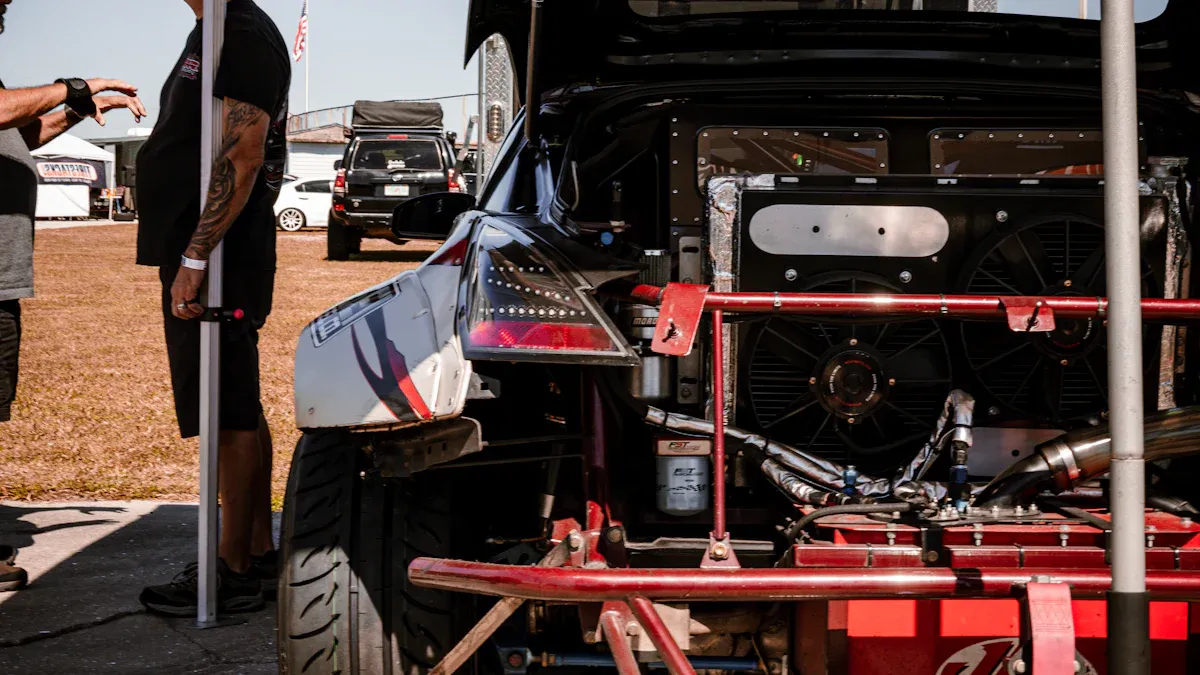
A prop rod is a simple mechanical device that supports the hood of a vehicle. Most prop rods consist of a metal bar with a bend or hook at one end. The rod fits into a designated slot or hole under the hood. This design keeps the hood open during inspections or repairs. Prop rods have remained a consistent part of vehicle engineering for decades. Manufacturers often choose steel or aluminum for durability. Some models feature rubber end caps to protect painted surfaces and plastic liners.
Note: Prop rods play a key role in preventing sudden hood closures and injuries.
A table below highlights defining characteristics of prop rods:
Characteristic | Description |
|---|---|
Additional Safety | Adds security when holding open vehicle hoods during engine service |
Telescoping Design | Extends from compact 26.25 inches to big rig capable 61.25 inches |
Locking Pins | Prevents accidental retraction and injury |
Universal Use | Works with hoods, trunk lids, and doors on all vehicle makes and models |
Rubber End Caps | Protects soft materials and painted finishes |
How They Work
Prop rods operate through manual placement. The user lifts the hood and positions the rod into a slot or bracket. The rod holds the hood open by supporting its weight. Some prop rods feature telescoping designs, allowing adjustment for different heights. Locking pins secure the rod and prevent accidental closure. The tool industry has developed clamps and holders that avoid damaging the rod or vehicle surfaces.
Prop rods are typically adjustable in length.
They can be locked to prevent accidental closure.
Designed for compatibility with various vehicle types.
Some designs include features to protect vehicle surfaces.
The Datsun 510's prop rod stands out as an example of reliable engineering. Over time, manufacturers have improved prop rod designs to enhance safety and ease of use.
Common Uses
Prop rods appear in many vehicles, including cars, trucks, and commercial vehicles. Mechanics and drivers use prop rods to keep hoods, trunk lids, or doors open during maintenance. The universal design allows use across different makes and models. Some prop rods extend to fit larger vehicles, while compact versions suit smaller cars.
Tip: Always check that the prop rod is securely positioned before working under the hood.
Prop rods remain popular for their simplicity and reliability. They require little maintenance and rarely need replacement. Many owners appreciate the straightforward operation and the added safety when servicing engine compartments.
Prop Rod Pros
Simplicity
Basic Design
Prop rods stand out for their straightforward construction. Most models feature a single metal bar with a bend or hook at one end. This simple shape allows users to lift the hood and secure it with minimal effort. The uncomplicated design means fewer parts can break or malfunction. People who have little experience with car maintenance find prop rods easy to use. They do not need special tools or training to operate the rod.
Simplified designs reduce the learning curve for users.
Adjustable props allow quick height changes.
Clear instructions help users understand how to position and maintain the rod.
The basic design also makes prop rods easy to clean and inspect. Users can check for damage or wear by looking at the rod. If the rod bends or the end cap wears out, replacement is simple and inexpensive. The lack of complex mechanisms means prop rods rarely fail during normal use.
Reliability
Maintenance-Free
Prop rods require almost no maintenance. Owners do not need to lubricate moving parts or check for gas leaks. The rod works as long as it remains straight and the mounting points stay secure. Mechanics and car owners appreciate this reliability. They can trust the rod to hold the hood open every time.
High-quality materials ensure durability under heavy loads.
Safety features like locking mechanisms and anti-slip surfaces boost user confidence.
Most prop rods use steel or aluminum, which resists rust and corrosion. Some models include rubber end caps to protect painted surfaces. These features help the rod last for many years without attention. Users do not need to schedule regular inspections or worry about sudden failure.
No Replacement Needed
Unlike hood gas struts, prop rods rarely need replacement. The sturdy metal construction withstands repeated use. Even after years of service, most rods continue to function as intended. If a prop rod does break, the cost and effort to replace it remain low. Owners do not face unexpected expenses or complicated repairs.
Prop rods also avoid problems like gas leakage or pressure loss. The rod either works or does not, making it easy to spot issues. This reliability appeals to people who want a dependable solution for holding up their vehicle hood.
Cost
Affordable
Prop rods offer a cost-effective choice for vehicle owners. The simple design and basic materials keep manufacturing costs low. Most prop rods cost much less than hood gas struts. Drivers who want to save money often choose prop rods for their vehicles.
Feature | Prop Rods | Hood Gas Struts |
|---|---|---|
Initial Cost | Low | Higher |
Replacement Cost | Rarely needed | Periodic |
Maintenance | None | Occasional |
The affordability of prop rods makes them popular in entry-level vehicles and older models. Owners do not need to budget for future replacements or repairs. The low price does not mean low quality. Many prop rods last for the life of the vehicle, providing reliable support without extra expense.
Tip: For those who want a simple, reliable, and affordable hood support, prop rods remain a practical choice.
Adjustable Height
Many prop rods offer adjustable height, which gives users more control during vehicle maintenance. This feature allows a person to set the hood at different angles, depending on the task or personal preference. Mechanics and car owners often find this flexibility helpful when working in tight spaces or when they need extra room above the engine bay.
Adjustable prop rods usually have a telescoping design. The user can extend or shorten the rod to match the desired hood height. Some rods include locking pins or notches that hold the rod securely in place. This design prevents the hood from slipping or closing unexpectedly.
A table below highlights how adjustable height benefits vehicle maintenance:
Feature | Benefit |
|---|---|
Height Adjustment | |
Secure Holding | Ensures hood is held at optimal height |
Compatibility | Works with various car models and designs |
Height adjustment helps users customize the hood position. For example, a mechanic may want the hood fully open for maximum access to the engine. In other cases, a lower hood angle can protect the engine bay from wind or rain. This flexibility supports a wide range of maintenance tasks, from checking fluids to replacing belts.
Secure holding is another advantage. The adjustable rod locks into place, so the hood stays at the chosen height. This stability reduces the risk of accidents. People working under the hood can focus on repairs without worrying about sudden movement.
Compatibility also matters. Adjustable prop rods fit many car models and designs. Owners of older vehicles or custom cars often rely on this feature. They can use the same rod for different vehicles, which saves time and money.
Tip: Adjustable prop rods help when working in garages with low ceilings or outdoors in windy conditions.
Some users prefer prop rods because they can set the hood at a comfortable height for their own reach. Taller individuals may raise the hood higher, while shorter users may choose a lower position. This adaptability makes prop rods a practical choice for families or shared vehicles.
Prop Rod Cons
Manual Effort
Positioning Required
Prop rods require users to lift the hood and manually position the rod into its slot. This process demands physical effort, especially if the hood feels heavy or if the user has limited strength. People must hold the hood with one hand while searching for the correct placement with the other. In cold or wet weather, this task becomes even more challenging. The need for careful alignment can slow down routine checks or repairs. If the rod slips or does not fit securely, the hood may not stay open.
Tip: Always double-check that the prop rod is locked in place before letting go of the hood.
Convenience
Occupies One Hand
A prop rod often occupies one hand during setup and removal. Mechanics and car owners must use one hand to hold the hood and the other to position the rod. This limits the ability to carry tools or parts at the same time. When working alone, this can make simple tasks feel awkward or time-consuming. The need to use both hands at different stages can interrupt workflow and reduce efficiency.
Awkward in Tight Spaces
Prop rods can become difficult to use in tight spaces. In crowded engine bays or garages with low ceilings, finding enough room to maneuver the rod proves challenging. The rod may block access to certain parts of the engine, making repairs harder. People sometimes struggle to reach the prop rod slot if the hood does not open wide enough. This inconvenience can lead to frustration, especially during urgent repairs or inspections.
Safety Risk
Improper Placement
Improper placement of a prop rod creates significant safety risks. If the rod does not sit securely in its slot, the hood may fall unexpectedly. Distractions or rushing can cause users to miss the correct position. In some cases, people may try to prop the hood with makeshift objects, which increases the danger. The risk of injury rises if the hood closes while someone works underneath.
Failure to follow safety warnings can result in serious injury.
Users should avoid standing directly under the hood until the rod is secure.
Always use protective gear when working near heavy vehicle parts.
Hood May Fall
A hood supported by a prop rod can fall if the rod slips, bends, or gets knocked out of place. Wind, vibrations, or accidental bumps can dislodge the rod. This sudden closure can cause injuries to hands, arms, or head. In severe cases, falling hoods have led to emergency room visits. Mechanics recommend checking the stability of the rod before starting any work.
Risk Factor | Possible Outcome |
|---|---|
Rod not fully engaged | Hood may close unexpectedly |
Rod knocked out of slot | Sudden hood drop |
Using makeshift supports | Increased chance of injury |
Note: Extreme care is required when working under a hood supported by a prop rod. Always ensure the rod is properly positioned and stable before beginning any maintenance.
Hood Gas Strut vs Prop Rod Comparison
Convenience
Convenience matters to many drivers and mechanics. Hood gas struts provide a hands-free experience. When someone opens the hood, the strut lifts and holds it in place automatically. This feature allows both hands to stay free for tools or repairs. People do not need to search for a support rod or worry about balancing the hood. The engine bay remains open and clear, making it easier to reach every part.
Prop rods require more effort. Users must lift the hood and position the rod manually. One hand holds the hood while the other finds the slot for the rod. This process can slow down routine checks or repairs. The rod may also block access to some engine components, especially in tight spaces.
The table below highlights the main differences in convenience:
Feature | Hood Gas Struts | Prop Rods |
|---|---|---|
Safety | Prevents hood from falling unexpectedly | Risk of falling hood |
Convenience | Hands-free operation | Requires manual support |
Access | Better access to engine bay | Limited access |
Tip: For frequent maintenance or quick inspections, a hood gas strut saves time and effort.
Safety
Safety is a top concern when working under the hood. Hood gas struts hold the hood securely in place. The pressurized gas keeps the hood from dropping, even if someone bumps the vehicle or if wind blows. This stable support lowers the risk of injury. People can trust that the hood will not fall while they work.
Prop rods offer basic safety but come with risks. If the rod is not placed correctly, the hood may close without warning. Wind, vibrations, or accidental bumps can knock the rod out of position. This sudden movement can cause injuries to hands, arms, or head. Mechanics often check the rod’s placement before starting any work.
Note: Hood gas struts provide a safer experience, especially for those who work alone or in busy environments.
Cost
Cost influences many decisions about vehicle parts. Hood gas struts usually cost more than prop rods. The advanced design and materials increase the price. Owners may also need to replace gas struts every few years, which adds to the total expense. Installation can require extra tools or modifications, leading to higher labor costs.
Prop rods are more affordable. Most vehicles come with a prop rod as standard equipment. The simple design means fewer parts to replace. Many prop rods last for the life of the vehicle. If a rod bends or wears out, replacement is quick and inexpensive.
A quick comparison:
Hood gas struts: Higher initial cost, possible replacement costs, may need installation tools.
Prop rods: Low initial cost, rarely need replacement, easy to install.
Tip: Drivers who want the lowest cost may prefer prop rods, while those who value convenience and safety may see the higher price of hood gas struts as worthwhile.
Reliability
Reliability plays a key role when choosing between hood gas struts and prop rods. Hood gas struts provide consistent support for the hood as long as they remain in good condition. The pressurized gas inside the strut delivers steady force every time someone opens the hood. However, gas struts can lose pressure over time. When this happens, the strut may not hold the hood up as expected. Temperature changes, frequent use, and age can all affect the performance of gas struts.
Prop rods use a simple metal bar to support the hood. This design has very few parts that can fail. As long as the rod stays straight and the mounting points remain secure, the prop rod will work reliably for many years. Prop rods do not depend on gas or seals, so they do not lose strength over time. Many vehicle owners trust prop rods for their long-term dependability.
A comparison table highlights the reliability of each option:
Feature | Hood Gas Strut | Prop Rod |
|---|---|---|
Failure Points | Gas leaks, seal wear | Bent rod, loose mount |
Lifespan | 2–5 years (typical) | Often lasts vehicle life |
Performance Over Time | May weaken gradually | Remains consistent |
Impact of Environment | Sensitive to temperature | Not affected |
Note: Prop rods offer greater reliability over time, but gas struts provide reliable support when new or well-maintained.
Maintenance
Maintenance needs differ between hood gas struts and prop rods. Hood gas struts require regular checks to ensure they still hold the hood up safely. Over time, seals can wear out and gas can leak. When this happens, the strut loses pressure and must be replaced. Some signs of a failing gas strut include the hood dropping slowly or not staying open at all. Mechanics recommend testing the strut’s strength every few months, especially before long trips or cold weather.
Prop rods need almost no maintenance. Owners only need to check that the rod is not bent and that the mounting points are secure. If the rod becomes damaged, replacement is simple and inexpensive. Prop rods do not have seals or gas chambers, so they do not suffer from leaks or pressure loss.
A quick checklist for each type:
Hood Gas Strut Maintenance
Inspect for leaks or weak support
Replace if hood does not stay open
Test regularly, especially in cold weather
Prop Rod Maintenance
Check for bends or damage
Ensure mounting points are tight
Replace only if broken
Tip: Regular inspection helps prevent accidents and ensures safe hood operation.
Height Adjustment
Height adjustment affects how much access a person has to the engine bay. Hood gas struts usually lift the hood to a fixed height. The maximum opening angle depends on the length and strength of the strut. Some gas struts may not raise the hood as high as a prop rod, which can limit access to certain engine parts. This fixed height works well for most tasks, but some mechanics prefer a wider opening for larger repairs.
Prop rods often allow for adjustable hood height. Many rods have multiple slots or a telescoping design. This feature lets users set the hood at different angles, which can help when working in tight spaces or when extra clearance is needed. Adjustable height gives more flexibility for different maintenance tasks.
A table below compares height adjustment features:
Feature | Hood Gas Strut | Prop Rod |
|---|---|---|
Hood Opening Height | Fixed | Adjustable |
Flexibility | Limited | High |
Engine Access | Sometimes limited | Easier to customize |
Note: Adjustable height can make a big difference for people who work on their vehicles often or need extra space under the hood.
Which Should You Choose?
Budget
Budget plays a major role when choosing between hood gas struts and prop rods. Each option fits different financial needs and priorities.
Hood gas struts require a higher initial investment. They provide smoother operation and a modern look. Many drivers value these features, especially in newer vehicles.
Prop rods cost less. Their simple design makes them affordable for most car owners. People with budget constraints often choose prop rods.
The decision depends on what matters most. Those who want to save money may prefer prop rods. Those who value convenience and appearance may see the extra cost of gas struts as worthwhile.
Note: Drivers should consider both the purchase price and any future replacement costs when making a decision.
Convenience
Convenience affects how easy it is to use and maintain the hood support. Hood gas struts stand out for their hands-free operation. They lift and hold the hood automatically. This feature allows users to work with both hands free. Mechanics and car owners can access the engine bay quickly and without extra steps.
Prop rods require manual placement. Users must lift the hood and secure the rod in its slot. This process takes more time and effort. The rod can block access to some engine parts, especially in tight spaces. People who perform frequent maintenance may find this inconvenient.
A comparison table highlights the main points:
Feature | Hood Gas Strut | Prop Rod |
|---|---|---|
Hands-Free Operation | Yes | No |
Setup Time | Fast | Slower |
Engine Bay Access | Unobstructed | Sometimes blocked |
Tip: Those who value speed and ease of use often prefer hood gas struts.
Reliability
Reliability measures how well each support holds up over time. Hood gas struts deliver steady performance when new. They use pressurized gas to support the hood. Over several years, the gas can leak or lose pressure. When this happens, the strut may fail to hold the hood up. Regular checks and timely replacement keep gas struts working safely.
Prop rods use a simple metal bar. This design has very few parts that can break. As long as the rod stays straight and the mounting points remain secure, prop rods last for many years. They do not rely on gas or seals, so they do not lose strength over time.
A quick look at reliability:
Hood gas struts: Reliable when new, may weaken with age, require occasional replacement.
Prop rods: Consistent performance, rarely need replacement, minimal maintenance.
Note: Drivers who want long-term dependability with little upkeep often choose prop rods. Those who prefer modern features may accept the need for periodic gas strut replacement.
Vehicle Type
The type of vehicle plays a key role in deciding between hood gas struts and prop rods. Different vehicles have unique needs based on their size, design, and purpose.
Passenger Cars
Most modern passenger cars use hood gas struts. These vehicles often focus on comfort, convenience, and style. Gas struts provide smooth operation and a clean look. They help drivers open the hood with little effort. Many car owners appreciate the hands-free support when checking fluids or making repairs.
Trucks and SUVs
Trucks and SUVs usually have heavier hoods. Gas struts make lifting these hoods easier and safer. The struts hold the hood steady, even in windy conditions or on uneven ground. Some older trucks still use prop rods, but many newer models have switched to gas struts for better user experience.
Performance and Sports Cars
Performance vehicles often use lightweight materials like aluminum or carbon fiber for the hood. Some gas struts may add too much force or weight for these hoods. Owners must check if the hood can handle the pressure from gas struts. In some cases, a prop rod works better to avoid damage.
Classic and Vintage Cars
Many classic cars come with prop rods as original equipment. Owners who want to keep the vehicle authentic may prefer to keep the prop rod. However, some choose to upgrade to gas struts for easier use and a modern feel.
Commercial and Fleet Vehicles
Commercial vehicles, such as delivery vans or work trucks, need reliable and low-maintenance solutions. Prop rods offer durability and rarely need replacement. Mechanics who service these vehicles may prefer the simplicity of a prop rod, especially if the hood is opened many times each day.
The table below summarizes the best fit for each vehicle type:
Vehicle Type | Hood Gas Strut | Prop Rod | Key Consideration |
|---|---|---|---|
Passenger Car | Possible | Convenience and style | |
Truck/SUV | Possible | Heavy hood, safety | |
Performance/Sports Car | Possible | Hood material, weight | |
Classic/Vintage Car | Possible | Authenticity, originality | |
Commercial/Fleet | Possible | Durability, frequent use |
Tip: Always check the vehicle’s hood material and mounting points before choosing a support system.
Vehicle type affects the choice between gas struts and prop rods. Owners should match the support system to their vehicle’s needs for the best results.
Hood gas struts offer top convenience and safety for most drivers. They provide hands-free operation and stable support. Prop rods stand out for reliability and low cost. Each option fits different needs. Readers should think about their budget, how often they open the hood, and their vehicle type. For those seeking a dependable hood gas strut supplier, COLEWELL delivers trusted solutions.
FAQ
What causes hood gas struts to fail?
Hood gas struts often fail due to gas leakage, worn seals, or repeated use. Extreme temperatures can speed up wear. Regular inspection helps spot weak struts before they stop working.
How long do hood gas struts usually last?
Most hood gas struts last between two and five years. Lifespan depends on climate, frequency of use, and storage conditions. Cold weather and frequent hood openings can shorten their life.
Can someone replace hood gas struts at home?
Yes, many people can replace hood gas struts at home with basic tools. Most installations require removing old struts and snapping new ones into place. Always support the hood during replacement for safety.
Are hood gas struts safer than prop rods?
Hood gas struts provide more stable support and reduce the risk of accidental hood closure. They hold the hood securely, even in windy conditions. Prop rods can slip if not positioned correctly.
Do hood gas struts fit all vehicles?
Not all vehicles come with mounting points for gas struts. Some cars need modifications for installation. Always check compatibility with the vehicle’s hood and fender design before buying.
What maintenance do hood gas struts need?
Hood gas struts need regular checks for leaks or weak support. If the hood drops or feels heavy, replacement is necessary. No lubrication or special cleaning is required.
Why do some people prefer prop rods?
Some people choose prop rods for their simplicity, low cost, and long-term reliability. Prop rods rarely need replacement and work well in most conditions.
Can hood gas struts improve a car’s appearance?
Yes, hood gas struts create a clean, modern look in the engine bay. They remove the need for visible rods and brackets, which many drivers find attractive.


