


 Sign in
 CN
CN

Furniture Gas Springs: Types, Uses, Force Calculation & Replacement Tips
 Oct 13, 2025|
 View:117
A furniture gas spring helps lift, lower, and hold parts of furniture with ease. This device uses compressed gas to create a smooth and controlled force, making everyday tasks like opening a cabinet or adjusting a desk much simpler. People often see these springs in cabinet doors, storage lids, adjustable furniture, jewelry boxes, desk organizers, soft-close mechanisms, and heavy-duty furniture.
| Application Type | Description |
|---|---|
| Cabinet Doors | Supports easy opening and closing with controlled motion. |
| Storage Lids | Holds lids open for safety and comfort. |
| Adjustable Furniture | Improves function by allowing position changes. |
| Jewelry Boxes | Ideal for lightweight lifting. |
| Desk Organizers | Makes accessing items smoother. |
| Soft-Close Mechanisms | Reduces noise and prevents slamming. |
| Heavy-Duty Applications | Handles large weight loads in commercial furniture. |
Furniture gas springs offer smoother movement, less effort, and greater comfort for users at home or work.
Key Takeaways
Furniture gas springs make lifting and lowering furniture easier and safer.
They come in various types, including compression, lockable, and tension springs, each serving different functions.
Gas springs provide smooth, controlled movement, reducing noise and preventing slamming.
Regular maintenance and inspections can extend the lifespan of gas springs and ensure safe operation.
Choosing the right gas spring size and force is crucial for optimal performance and safety.
Installation should be done carefully, following guidelines to avoid common mistakes.
Adjustable force springs enhance comfort by allowing users to customize the lifting force.
Using online calculators can simplify the process of selecting the correct gas spring for your needs.
Furniture Gas Spring Basics
Definition
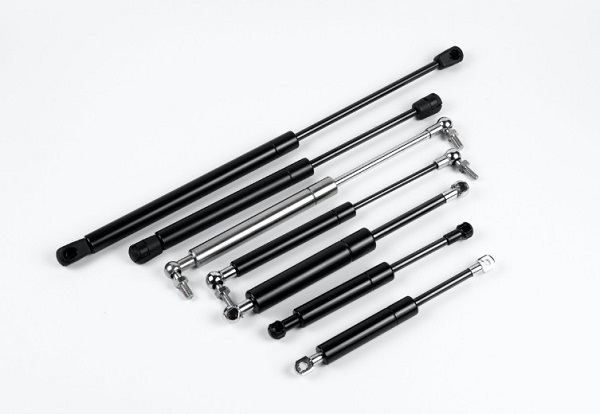
A furniture gas spring is a device that helps move and support parts of furniture by using compressed gas inside a sealed cylinder. This spring creates a controlled force, making lifting, lowering, or holding furniture components easier and safer. People find gas springs in many places, such as adjustable-height office chairs, cabinet doors, medical beds, industrial equipment, and automotive hatches. The table below shows common application areas and their descriptions:
| Application Area | Description |
|---|---|
| Adjustable-height office chairs | Gas springs are used to allow height adjustment in office chairs, providing ergonomic support. |
| Cabinet doors | They assist in the smooth opening and closing of cabinet doors, enhancing user convenience. |
| Medical beds | Gas springs are utilized for adjusting the height and position of medical beds for patient care. |
| Industrial equipment | They are employed in machine-tool presses and other industrial applications for support and actuation. |
| Automotive equipment | Used in hatches, hoods, and covers for ease of access and operation. |
How It Works
The operation of a furniture gas spring relies on a simple but effective mechanism:
Stored Energy: The cylinder contains compressed nitrogen gas. This gas creates pressure that pushes against a piston, keeping the rod extended and ready to support weight.
Controlled Movement: When someone applies force, the rod slides into the cylinder. The piston compresses the gas, which increases pressure. An oil chamber inside the cylinder acts as a damper, slowing the movement and preventing sudden or jerky motion.
Smooth Support: When the force is removed, the compressed gas pushes the piston back, extending the rod and lifting the load gently. The oil damper keeps the movement steady, so the furniture does not bounce or lurch.
This process allows furniture to move smoothly and stay in place when needed.
Importance in Furniture
Furniture gas springs play a vital role in modern furniture design. They offer several advantages over traditional mechanical springs:
Effortless and quiet operation, providing smooth and controlled motion.
Adjustable tension for customizable opening and closing forces.
High durability and reliability, designed for frequent use and heavy loads.
Corrosion resistance and suitability for various environmental conditions.
Easy installation with flexibility in mounting orientations.
These benefits make furniture gas springs a popular choice for both home and commercial furniture. They improve comfort, safety, and convenience for users. People can adjust chairs, open cabinets, or lift storage lids with less effort and greater control. Furniture designers rely on gas springs to create products that meet the needs of everyday life.
Types of Furniture Gas Springs
Compression Type
A compression gas spring is the most common type found in furniture. This spring works by pushing outward when compressed, helping to lift or support a load. Inside the cylinder, compressed gas creates force that extends the rod. People often see compression gas springs in overhead cabinet doors, storage chests, and adjustable chairs. These springs make lifting heavy lids or panels much easier and safer. Most compression gas springs are maintenance-free, so users do not need to lubricate or adjust them during their lifespan. Many furniture gas spring designs use this type because it provides reliable support and smooth motion.
Key features of compression gas springs:
Pushes outward to lift or support weight
Offers smooth, controlled movement
Requires little to no maintenance
Lockable Type
A lockable gas spring allows users to stop and hold furniture in any position. This type uses a special valve that locks the rod in place when needed. Lockable gas springs provide extra safety and control, especially in adjustable furniture. People can adjust the height or angle of a surface and then lock it securely.
Lockable gas springs are essential for furniture that needs secure positioning and flexible adjustment.
Common furniture applications for lockable gas springs include:
Adjustable desks in home offices, which allow users to set the desk at a comfortable height and lock it for stability and better posture
Adjustable hospital beds and ergonomic furniture, where secure positioning is important for safety and comfort
Lockable gas springs are also maintenance-free and often feature adjustable force, so users can fine-tune the support to match their needs.
Tension Type
A traction gas spring, also called a tension gas spring, works in the opposite way of a compression type. Instead of pushing outward, it pulls inward when extended. This spring helps keep furniture parts closed or folded by applying a pulling force. Tension gas springs are useful in furniture that needs to stay folded or retracted until someone pulls it open.
Furniture designers use tension gas springs in:
Folding beds, where the spring helps keep the bed closed against the wall
Wall beds, which require a pulling force to stay upright and secure
Folding tables, where the spring assists in keeping the table folded when not in use
Tension gas springs are also maintenance-free and provide reliable performance over time. Many furniture gas spring models offer adjustable force, allowing users to set the right level of support for their specific application.
Dampers
Damper gas springs play a unique role in furniture design. Unlike standard compression types, dampers do not focus on lifting or supporting weight. Instead, they control the speed and smoothness of movement. This feature helps prevent sudden slamming or jerky motion when opening or closing furniture parts.
The following table highlights the differences between damper gas springs and standard compression gas springs:
| Feature | Gas Spring | Damper |
|---|---|---|
| Primary Function | Provides lifting/supporting force | Controls movement speed |
| Energy Source | Compressed nitrogen gas | Oil (and sometimes gas) |
| Applications | Lifting, lowering, supporting | Slowing down, braking |
| Example Devices | Car trunk lids, adjustable furniture | Conveyor belts, slow-closing drawers |
Furniture designers use dampers in soft-close drawers, cabinet doors, and other areas where gentle motion is important. Dampers absorb energy and slow down movement, making furniture safer and more comfortable to use. Most damper gas springs require little maintenance and operate reliably over time.
Tip: Dampers help prevent pinched fingers and reduce noise in busy environments.
Adjustable Force Springs
Adjustable force springs offer flexibility for many furniture applications. These springs allow users to change the amount of force they provide, making them suitable for different weights and movement needs. People often find adjustable force springs in office chairs, reclining beds, and ergonomic furniture.
The table below outlines the main benefits of adjustable force springs:
| Benefit | Description |
|---|---|
| Versatility | Adjustable gas springs are used in various furniture applications like reclining chairs and adjustable beds, enhancing functionality. |
| Ergonomics | They provide a smooth operation, making them more ergonomic than traditional springs. |
| Low Maintenance | These springs require less maintenance compared to other mechanisms, contributing to long-term usability. |
Adjustable force springs improve user comfort by providing smooth action under compressive force. They enhance the ergonomic design of furniture, especially in office chairs where easy adjustment is important. Most adjustable force springs are maintenance-free, which means users do not need to worry about regular upkeep.
Adjustable force springs enhance user comfort by providing smooth action when under compressive force.
They are commonly found in office chairs, emphasizing their ergonomic design.
A furniture gas spring with adjustable force helps furniture adapt to different users and tasks. This feature makes furniture more versatile and user-friendly in homes, offices, and healthcare settings.
Uses in Furniture
Cabinets
Cabinets often use gas springs to make opening and closing doors easier and safer. When someone opens a cabinet door, the gas spring supports the weight and slows the movement. This prevents the door from slamming shut, which protects both the cabinet and the user’s fingers. Many kitchen cabinets, overhead storage units, and display cases include gas springs for this reason.
Gas springs provide soft and controlled motion, reducing noise and wear.
They help hold cabinet doors open at any angle, making it easier to access items inside.
The sealed cylinder holds pressurized gas, and the piston rod moves smoothly to apply force.
People find that cabinets with gas springs last longer because the gentle action reduces stress on hinges and panels. This feature also adds a touch of modern convenience to home and office furniture.
Beds
Beds with storage space underneath often rely on gas springs for easy lifting. These beds, sometimes called lift-up or ottoman beds, use gas springs to raise the mattress and frame. This makes it simple to reach the storage area without heavy lifting.
Gas springs allow smooth lifting of the mattress, so users can access stored items like blankets or clothing.
The controlled descent keeps the bed from dropping suddenly, which improves safety.
Gas springs in beds are designed for repeated use and maintain their strength over time.
A furniture gas spring in a storage bed helps maximize space in small rooms. It also makes the bed safer for children and adults by preventing sudden drops.
Desks
Height-adjustable desks have become popular in offices and homes. Gas springs play a key role in these desks by allowing users to change the height easily. This supports better posture and comfort during work or study.
| Type of Gas Spring | Application in Height-Adjustable Desks |
|---|---|
| Lockable Gas Springs | Recommended for standing desks |
| Compression Gas Springs | General use in height adjustment |
Gas springs enable smooth transitions between sitting and standing positions.
The pneumatic lift system lets users customize desk height with little effort.
This feature promotes a healthier work environment by encouraging movement.
Desks with gas springs help reduce fatigue and support ergonomic practices. They also make it easier for multiple people to use the same workspace comfortably.
Chairs
Chairs with adjustable features have become a standard in modern offices and homes. Gas springs, often called gas lifts or gas cylinders, play a crucial role in these chairs. They allow users to change the seat height with a simple lever, making it easy to find a comfortable position for different tasks. Inside the chair, a sealed cylinder contains compressed nitrogen gas and lubricating oil. When someone pulls the adjustment lever, the pressure inside the cylinder changes, raising or lowering the seat smoothly.
Ergonomic office chairs rely on high-quality gas lifts to provide stable support and smooth operation. These gas lifts come in different classes, with Class 4 recommended for ergonomic chairs because of their higher load-bearing capacity. Certification from organizations like SGS or BIFMA ensures that the gas lift meets safety and reliability standards.
High-quality gas lifts ensure smooth operation and stable support.
Class 4 gas lifts offer better durability for frequent use.
Certified gas lifts help prevent safety issues.
Gas springs in chairs also improve safety and comfort. Premium gas lifts can withstand over 100,000 lift cycles, making them suitable for busy work environments. Low-quality gas lifts may cause problems like leakage or instability, so proper certification and testing are important. Adjustable chairs with gas springs help users maintain good posture and reduce fatigue during long periods of sitting. This feature is especially important in offices, schools, and healthcare settings, where people spend many hours seated.
Tip: Always check for certification labels on office chairs to ensure the gas lift meets safety standards.
Table-Tops
Adjustable table-tops have gained popularity in homes, offices, and multi-functional spaces. Gas springs make it possible to lift and lower table surfaces easily, allowing users to switch between different activities such as dining, working, or relaxing. The lifting function of the gas spring allows the coffee table to be adjusted according to the user's height and sitting posture, improving the comfort of use.
| Advantage | Description |
|---|---|
| Controlled Force | Gas springs utilize compressed gas to provide a controlled lifting force, enhancing usability. |
| Adjustable Height | They allow for height adjustments, accommodating various user preferences and postures. |
| Ergonomic Design | Gas springs contribute to optimal ergonomic support, improving overall comfort during use. |
Gas springs enable users to adjust the table height for different needs. For example, a coffee table can rise to become a work desk or lower for casual gatherings. This flexibility supports ergonomic design and helps users avoid strain. Gas springs can be customized to fit various body types and workplace requirements, ensuring that each user can achieve an ergonomic sitting position tailored to their specific needs.
Gas springs enable height adjustments for different activities.
They improve comfort by allowing users to find the most suitable height.
Adjustable table-tops with gas springs are ideal for shared spaces, as they can adapt to different users quickly. The controlled force provided by the furniture gas spring ensures that the table moves smoothly and stays in place at the desired height. This feature adds convenience and versatility to modern furniture, making it easier for everyone to use tables comfortably and safely.
Force Calculation
Key Parameters
Calculating the correct force for a furniture gas spring requires careful consideration of several important factors. These parameters help ensure that the spring will support, lift, or hold the furniture component safely and smoothly.
Weight of the Object: The total weight that the gas spring needs to support or lift. This includes the panel, lid, or any attached hardware.
Center of Gravity: The distance from the hinge or pivot point to the center of gravity of the object. This measurement affects how much force is needed to move or hold the object.
Mounting Geometry: The position and angle where the gas spring attaches to the furniture. This includes the distance between the mounting points and the hinge.
Number of Gas Springs: Some applications use two or more gas springs to distribute the load evenly.
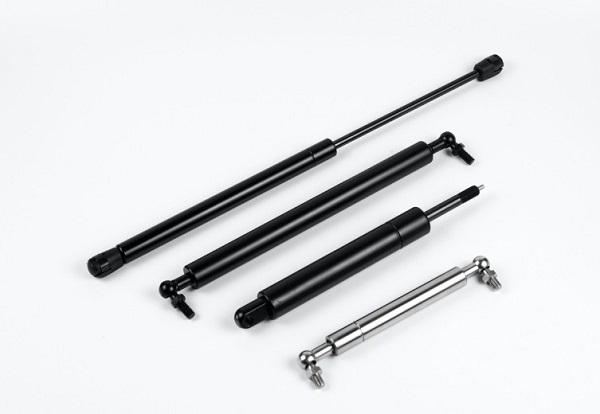
Stroke Length: The difference between the fully extended and fully compressed length of the gas spring. This determines how far the object can move.
Total Length: The distance between the two mounting center holes when the gas spring is fully extended. This ensures proper fit and function.
Required Force: The calculated force needed to lift or hold the object, usually measured in Newtons (N).
Note: Always check that the total length of the gas spring is at least twice the stroke length plus 80 mm. This allows enough space for the internal components to work properly.
Calculation Formula
To find the correct force for a furniture gas spring, use a standard formula that considers the weight, geometry, and number of springs. The most common formula is:
F1 = ((m × RH) / (2 × N × x2) + 5) × 9.81
Where:
F1 = Required gas spring force (N)
m = Weight of the object (kg)
RH = Length of the object (mm)
N = Number of gas springs
x2 = Distance from the mounting point to the rotation axis (mm)
9.81 = Acceleration due to gravity (m/s²)
+5 = Safety margin for reliable operation
Another way to calculate the force is by using the pressure and piston area:
Calculate the piston area (A) using the formula:
A = π × (d/2)²
where d is the piston diameter.Compute the force (F) using:
F = P × AAdjust the calculated force based on the specific application, such as lid size or mounting angle.
The following table summarizes key parameters used in force calculation:
| Parameter | Description |
|---|---|
| W | Weight of the object (kg) |
| L | Center of gravity distance (mm) |
| n | Number of gas springs |
| D | Distance between hinge and mounting (mm) |
| P | Center of gravity position (mm) |
Tip: Always include a safety margin in your calculations to account for unexpected loads or wear over time.
Online Calculators
Many online tools simplify the process of calculating the correct force for a furniture gas spring. These calculators help users enter their measurements and receive instant recommendations for gas spring specifications.
Special Springs Gas Spring Force Calculator: This tool allows users to input stroke length, initial force, and other parameters to find the best gas spring for their furniture.
Industrial Gas Springs Force Calculation: This calculator provides detailed support for various applications, including furniture, by considering load, geometry, and mounting details.
These calculators reduce the risk of errors and save time during the selection process. Users can compare different options and adjust parameters to see how changes affect the required force. For best results, always double-check measurements and consult with a professional if unsure.
Using an online calculator ensures greater accuracy and helps avoid common mistakes in manual calculations.
Common Mistakes
Selecting and installing a furniture gas spring requires careful attention to detail. Many people make mistakes during force calculation and installation, which can lead to poor performance or even damage. Understanding these common errors helps users avoid problems and ensures smooth operation.
Frequent mistakes include:
Choosing the wrong size or force: Selecting a gas spring with too much or too little force can cause the furniture to open too quickly, close too slowly, or fail to stay in position. Always match the spring’s force to the weight and size of the furniture part.
Improper mounting: Placing the gas spring at the wrong angle or position affects its ability to support and control movement. Incorrect mounting can lead to uneven motion, reduced lifespan, or even failure.
Ignoring maintenance: Many users forget to inspect and maintain their gas springs. Dust, dirt, and lack of lubrication can cause wear and reduce effectiveness. Regular cleaning and checks help prevent these issues.
Overlooking environmental factors: Using a gas spring in a humid, dusty, or corrosive environment without proper protection can shorten its life. Always choose a model designed for the specific conditions.
Neglecting seal and rod wear: Friction and aging can damage seals, causing gas leakage. Piston rods may wear out from repeated contact with the cylinder, leading to jerky or uneven movement. Cylinder wear also affects sealing and overall performance.
Skipping regular inspections: Failing to check for signs of wear, leaks, or damage can result in sudden failure. Regular inspections help catch problems early and extend the life of the gas spring.
Tip: Always follow the manufacturer’s guidelines for installation and maintenance. Conduct regular inspections and keep the gas spring clean to ensure safe and reliable operation.
The table below summarizes common mistakes and their consequences:
| Mistake | Possible Consequence |
|---|---|
| Wrong size or force | Poor performance, safety risks |
| Improper mounting | Uneven movement, reduced lifespan |
| Lack of maintenance | Increased wear, early failure |
| Environmental mismatch | Corrosion, shortened lifespan |
| Seal and rod wear | Gas leakage, jerky movement |
| Skipping inspections | Sudden failure, safety hazards |
Avoiding these mistakes helps users get the most out of their furniture gas spring. Proper selection, installation, and care ensure smooth, safe, and long-lasting performance.
Replacement Tips
Tools Needed
Replacing a furniture gas spring requires the right tools to ensure a safe and efficient process. Using the correct equipment helps prevent damage to both the gas spring and the furniture. The following items are commonly needed:
Screwdrivers (flathead and Phillips) for removing and installing screws or brackets
Adjustable wrench or socket set for loosening and tightening bolts
Ball stud or mounting brackets, depending on the type of gas spring
Pliers for handling clips or small parts
Safety gloves and goggles for personal protection
Clean cloth for wiping down surfaces and removing dust
Selecting the proper tools for installation and removal reduces the risk of damaging the gas spring components. Overtightening screws or bolts can affect the movement of the gas spring, so care should be taken during assembly.
Safety Steps
Safety plays a crucial role when handling gas springs. These components are pressurized and require careful attention during removal and installation. The table below outlines important safety precautions:
| Safety Precaution | Description |
|---|---|
| Proper Installation Orientation | Install gas springs with the cylinder side facing upward to ensure lubrication and minimize wear. |
| Handling Precautions | Store gas springs in a cool, dry place and avoid contact with sharp objects. |
| Avoid Side Loads | Do not apply side loads to prevent premature failure or damage. |
| Environmental Considerations | Use heat-resistant seals for high temperatures and stainless steel for corrosive environments. |
| Disposal Methods | Drill open the gas spring, bleed the gas, and drain the oil for safe disposal. |
Additional safety tips include:
Install gas springs with the piston rod pointing down when not in use for optimal lubrication.
Avoid bending or applying lateral forces to the gas spring.
Never modify or alter the gas spring, as this can compromise its integrity.
Actuate gas springs after six months of storage to ensure they remain functional.
Tip: Always wear gloves and safety goggles when working with gas springs to protect against accidental release of pressure.
Removal Process
Removing a worn-out furniture gas spring involves several careful steps. Following a structured process helps prevent injury and ensures the furniture remains undamaged.
Wear protective gear, such as gloves and safety goggles, to guard against potential injury. Gas springs are pressurized and can release energy quickly.
Locate the release mechanism, which may be a valve or screw at one end of the gas spring. Sometimes, a cap or plug covers this part.
If the gas spring has a valve, use the appropriate tool to gently open it and allow the pressure to escape slowly. For models with a screw or cap, carefully loosen it to release the gas.
If necessary, disassemble the furniture component by unscrewing bolts or removing clips that secure the gas spring. This step may be required before the gas can be safely released.
Dispose of the old gas spring according to local guidelines. The gas inside can be hazardous, so proper disposal is important. If storing the removed gas spring, keep it in a cool, dry place away from heat sources.
By following these steps, users can safely remove a furniture gas spring and prepare for installation of a new one.
Installation Process
Installing a new furniture gas spring requires careful attention to detail. The process ensures that the spring functions safely and smoothly. Follow these steps for a successful installation:
Mount in Pairs
Install gas struts in pairs when possible. This balances the forces and prevents side loading, which can cause uneven wear.Position the Rod Down
Place the gas spring with the rod facing downward. This position allows the internal oil to lubricate the seals and piston, improving damping and extending the lifespan.Secure End Fittings
Tighten all end fittings completely. Loose fittings may lead to instability or unsafe operation.Use Ball Joint End Fittings
Select ball joint end fittings for the mounting points. These fittings help reduce the risk of side loading and allow for smoother movement.Avoid Solvents and Paint
Do not apply solvents or paint to the gas spring. Solvents can wash away lubricating oil, while paint may damage the piston rod seal.Handle with Care
Never grip the piston rod with tools. Pressure or scratches on the rod can cause leaks and reduce performance.Keep Substances Away from the Rod
Ensure that no substances touch the piston rod. Contaminants can compromise the seal and lead to failure.Do Not Pierce or Heat
Never pierce or heat the gas spring. These actions are extremely dangerous and can cause the spring to rupture.
Tip: Always check the mounting orientation before tightening the fittings. Proper alignment ensures smooth operation and prevents premature wear.
The table below summarizes key installation practices:
| Step | Purpose |
|---|---|
| Mount in pairs | Prevents side loading |
| Rod down position | Ensures lubrication |
| Tighten end fittings | Enhances safety |
| Ball joint fittings | Reduces side loading risk |
| Avoid solvents and paint | Protects seals and lubrication |
| Handle rod with care | Prevents leaks and damage |
| Keep rod clean | Maintains seal integrity |
| No piercing or heating | Ensures safety |
Following these steps helps users install a furniture gas spring correctly. Proper installation leads to reliable performance and longer service life.
Testing
After installing a new gas spring, testing ensures that the furniture operates safely and effectively. Use the following checklist to verify performance:
Visual Inspection
Examine the gas spring for dents, corrosion, or other visible damage.Operation Check
Move the furniture part through its full range. The motion should feel smooth and controlled.Leakage Test
Look for oil or gas leakage around the seals. Any sign of leakage indicates a problem.Force Measurement
Use a force gauge to measure the spring’s output. The force should match the specifications for the furniture.Mounting Hardware Inspection
Check all mounting points for wear or looseness. Tighten any loose hardware.Noise Assessment
Listen for unusual sounds during operation. Squeaks or grinding noises may signal improper installation or damage.
Note: If any issues appear during testing, address them before using the furniture. Proper testing protects users and extends the life of the furniture gas spring.
A thorough testing process confirms that the installation meets safety standards. Regular checks after installation help maintain optimal performance.
Maintenance & Troubleshooting
Signs of Wear
Recognizing early signs of wear helps prevent sudden failures and keeps furniture safe. A furniture gas spring may show several warning signals before it stops working. The table below lists the most common signs and their descriptions:
| Sign of Failure | Description |
|---|---|
| Loss of Support | The gas spring loses pressure, and a hatch or chair no longer stays open. |
| Slow or Jerky Movement | Movement feels rough or uneven, which may mean internal leaks or worn parts. |
| Visible Damage or Leakage | Dents, rust, or oil leaks show the gas spring is compromised. |
| Unusual Noises | Popping or hissing sounds can signal internal damage or loss of gas pressure. |
| Inconsistent Resistance | The force needed to move the spring changes, showing it is losing effectiveness. |
| Physical Deformation | A bent cylinder or misaligned piston rod points to performance issues and possible replacement. |
Tip: Regularly check for these signs to catch problems early and avoid unexpected breakdowns.
Basic Maintenance
Proper care extends the lifespan of gas springs and keeps furniture operating smoothly. Maintenance does not require special skills, but it does require attention to detail. Key steps include:
Ensure correct installation to prevent misalignment and side load forces.
Inspect the gas spring regularly for leaks, corrosion, and physical damage.
Wipe the surface with a soft cloth to remove dirt and debris.
Lubricate mounting points with light machine oil or silicone spray.
Check all fittings and mounting hardware for tightness.
Avoid exceeding the recommended load capacity.
Store gas springs in a dry place and avoid extreme temperatures.
Handle the gas spring gently during daily use.
Conduct regular inspections for wear or damage.
Clean the gas spring to maintain performance.
Lubricate as needed and store properly.
Note: Never use harsh chemicals or solvents on the gas spring, as these can damage seals and reduce effectiveness.
Troubleshooting Issues
When a gas spring does not function as expected, troubleshooting can help identify and solve the problem. Follow these steps:
Inspect seals and joints for visible damage or wear. Replace defective seals with durable materials like nitrile or polyurethane.
For non-rechargeable gas springs, replace the unit if it has lost pressure. For rechargeable models, use approved equipment to restore pressure safely.
Check alignment during installation and clean all components to prevent contamination. Use the correct lubricant to improve performance and reduce wear.
If problems persist after these steps, consider replacing the gas spring. Regular maintenance and prompt troubleshooting ensure reliable operation and extend the life of furniture.
A furniture gas spring brings comfort and convenience by allowing users to lift and lower furniture parts smoothly. People experience less effort when adjusting tabletops or opening heavy cabinet doors. Choosing the right type and force ensures safety, reliable support, and optimal performance for each application. Regular cleaning, proper lubrication, and careful installation help maintain long-term function. For those seeking a dependable supplier, Colewell offers trusted solutions for every need.
FAQ
What is the lifespan of a furniture gas spring?
Most furniture gas springs last between 20,000 and 100,000 cycles. The actual lifespan depends on usage, load, and environmental conditions. Regular inspection helps maintain performance.
Can users adjust the force of a gas spring after installation?
Some gas springs allow force adjustment within a specific range. Users can release or add gas using a special valve. Always follow the manufacturer’s instructions for safe adjustments.
How can someone tell if a gas spring needs replacement?
Common signs include loss of support, slow or jerky movement, visible leaks, or unusual noises. If the furniture no longer stays open or moves smoothly, replacement may be necessary.
Are furniture gas springs safe for children’s furniture?
Manufacturers design many gas springs with safety in mind. Proper installation and regular checks help ensure safe operation in children’s beds, toy chests, or desks.
What maintenance do furniture gas springs require?
Most gas springs are maintenance-free. Users should keep the piston rod clean, check for leaks, and avoid bending or scratching the rod. Regular inspections help catch problems early.
Can a gas spring be installed in any position?
Install most gas springs with the rod facing downward. This position ensures proper lubrication and extends the spring’s life. Some models allow flexible mounting, but always check product guidelines.
What should users do with old or damaged gas springs?
Dispose of old gas springs according to local regulations. Release pressure safely before disposal. Never incinerate or puncture a pressurized gas spring.
Why does a gas spring sometimes lose pressure?
Gas springs may lose pressure due to seal wear, damage, or age. Exposure to extreme temperatures or harsh environments can also cause leaks. Regular checks help prevent sudden failures.


