


 Sign in
 CN
CN

What Are Marine Gas Springs and Their Uses in Boating: A Complete Guide for Boat Owners
 Feb 24, 2026|
 View:24
For anyone who has struggled with a heavy boat hatch or wished for smoother operation of onboard compartments, understanding how these lifting mechanisms work can make all the difference. The specialized hardware that keeps hatches open, supports lids, and assists with heavy covers is a critical element of boat functionality and safety.
Key Takeaways
These specialized lifting devices use pressurized nitrogen gas to provide controlled, consistent force for boat hatches, storage compartments, and access panels.
316L stainless steel construction offers superior corrosion resistance in both freshwater and saltwater environments compared to standard materials.
Proper force rating selection—typically 20-120 pounds for most boat hatches—ensures safe, effortless operation without slamming or difficult lifting.
Regular maintenance including freshwater rinsing and inspection extends service life to 5-7 years even in harsh marine conditions.
Professional installation with correct mounting angles (typically 30-45 degrees) maximizes performance and prevents premature failure.
Understanding the Basics: What Are Marine Gas Springs
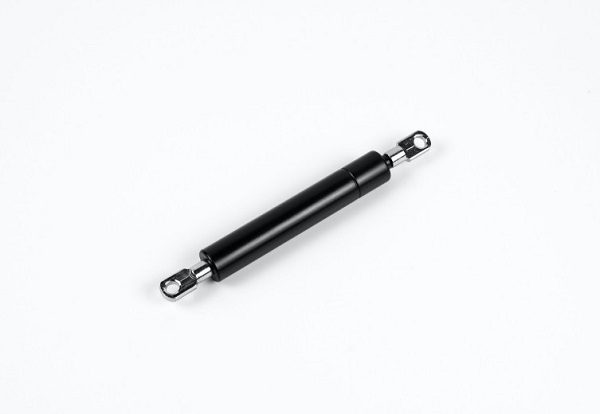
A marine gas spring is a sealed hydraulic cylinder containing pressurized nitrogen gas and hydraulic oil that provides smooth, controlled lifting assistance for boat hatches, lids, and covers. Unlike mechanical springs that lose force as they extend, these devices maintain consistent pressure throughout their entire range of motion, making them ideal for marine applications where reliable performance is essential.
The basic construction consists of a precision-machined cylinder tube, an internal piston, a chrome-plated piston rod, and gas-tight seals. When compressed, the nitrogen gas inside creates resistance; when extended, this same gas pressure provides lifting force. The design is completely sealed—no gas or oil can escape during normal operation, which makes them maintenance-free once properly installed.
The marine environment presents unique challenges that standard automotive or furniture versions cannot withstand. Constant exposure to moisture, salt spray, UV radiation, and temperature fluctuations requires materials and construction specifically engineered for these conditions. This is why specialized marine-grade units use advanced corrosion-resistant materials and enhanced sealing systems.
Why Marine-Grade Construction Matters: Materials and Durability
The difference between a standard unit and a marine-grade version comes down to material selection and engineering. Standard versions typically use carbon steel with protective coatings, which may be adequate for indoor or automotive use but will corrode rapidly in saltwater environments.
316L Stainless Steel: The Marine Standard
The gold standard for marine applications is 316L stainless steel, particularly for the piston rod and cylinder body. This alloy contains molybdenum, which provides exceptional resistance to chloride corrosion—the primary threat in seawater environments. According to ASTM International standards, 316L stainless steel demonstrates superior performance in salt spray testing, withstanding over 500 hours of continuous exposure without significant degradation.
The "L" designation indicates low carbon content (less than 0.03%), which prevents carbide precipitation during welding and improves corrosion resistance at grain boundaries. For boat owners, this translates to products that maintain their strength and appearance even after years of saltwater exposure.
| Material Type | Corrosion Resistance | Typical Lifespan (Marine Use) | Best Application |
|---|---|---|---|
| Carbon Steel (coated) | Limited | 1-2 years | Freshwater only |
| 304 Stainless Steel | Good | 3-4 years | Protected marine areas |
| 316L Stainless Steel | Excellent | 5-7+ years | All marine environments |
| Nitrided Carbon Steel | Moderate | 2-3 years | Budget saltwater use |
Sealing Systems and End Fittings
Beyond the main body material, the sealing system determines long-term reliability. High-quality marine versions use multi-lip seals made from materials like Viton or polyurethane that resist swelling and degradation from marine fuels, oils, and cleaning chemicals. The end fittings—the mounting points at each end—should also be stainless steel or marine-grade brass to prevent galvanic corrosion where different metals meet.
Common Applications in Boating: Where They're Used
The versatility of these devices makes them invaluable throughout a vessel. Understanding where they're commonly used helps boat owners identify opportunities to improve functionality and safety.
Hatch Covers and Access Panels
The most common application is supporting boat hatches—those large covers that provide access to engine compartments, storage areas, and bilge spaces. A well-sized stainless steel gas strut for boat hatches eliminates the need to prop open heavy fiberglass or wood covers, keeping both hands free for maintenance work or retrieving equipment.
For engine hatches, which can weigh 30-80 pounds, properly rated units provide enough force to lift and hold the cover open without manual support. This not only adds convenience but also prevents the hatch from accidentally slamming shut during rough water conditions, which could cause injury or damage to equipment.
Storage Compartments and Cooler Lids
Built-in coolers, storage boxes, and fish boxes benefit significantly from assisted lifting. Large coolers filled with ice and catch can be difficult to open and close repeatedly throughout a day on the water. Installing lift assistance makes these compartments easily accessible for all passengers, regardless of physical strength.
Cabin Doors and Berth Access
On larger vessels with cabin spaces, these mechanisms support overhead berth access doors, salon doors, and cabinet covers. The smooth, controlled motion prevents doors from slamming and reduces wear on hinges and latches. In rough sea conditions, this controlled motion becomes a safety feature, preventing injuries from unexpected door movement.
Swim Platforms and Boarding Steps
Some vessels incorporate folding swim platforms or telescoping boarding steps that use these devices for smooth extension and retraction. The controlled motion ensures safe deployment and storage, which is particularly important when dealing with equipment that extends over the water.
Selecting the Right Specifications: Force, Stroke, and Extended Length
Choosing the correct specifications is crucial for proper performance. An undersized unit won't provide adequate lifting assistance, while an oversized one can make a hatch difficult to close or cause damage to mounting hardware.
Understanding Force Ratings
Force is measured in pounds (lbs) or Newtons (N), with 1 pound equaling approximately 4.45 Newtons. For boat hatches, typical force ratings range from 20 to 120 pounds depending on hatch weight and mounting geometry. The force rating represents the resistance when fully extended—the amount of push it provides to hold something open.
A general rule of thumb: for a hatch weighing 40 pounds with standard hinge mounting, start with units rated at 50-60% of the hatch weight. However, mounting angle and distance from the hinge significantly affect the required force. When mounted at the optimal 30-45 degree angle from vertical when open, mechanical advantage is maximized.
Stroke Length Considerations
Stroke length is the distance the piston rod travels from fully compressed to fully extended. This determines how far the hatch or lid opens. Measuring the actual distance the mounting points move apart when going from closed to fully open gives you the required minimum stroke length. Always add 10-15% margin to ensure full opening capability.
Extended Length and Installation Space
Extended length (also called overall length) is the total length of the unit when fully extended. This measurement is critical because it determines whether the device will physically fit in the available space when the hatch is open. Measure carefully—insufficient clearance can prevent full opening or cause interference with nearby equipment.
| Hatch Weight | Recommended Force (per unit) | Typical Quantity | Common Application |
|---|---|---|---|
| 10-20 lbs | 20-40 lbs | 1-2 | Small storage boxes, tool compartments |
| 20-40 lbs | 40-60 lbs | 2 | Cooler lids, medium hatches |
| 40-60 lbs | 60-90 lbs | 2 | Engine hatches, large storage |
| 60-100 lbs | 90-120 lbs | 2-4 | Heavy engine covers, cabin access |
Installation Best Practices for Marine Applications
Proper installation is as important as selecting the right specifications. Even the highest-quality marine-grade unit will fail prematurely if installed incorrectly.
Mounting Angle and Position
The ideal mounting angle is 30-45 degrees from vertical when the hatch is fully open. This provides optimal mechanical advantage and ensures the unit is working within its designed parameters. Mounting too vertically reduces effectiveness; mounting too horizontally puts excessive side loads on the piston rod, which can cause premature seal wear.
Always install with the piston rod facing downward when possible. This orientation keeps contaminants from settling on the rod where they could be drawn into the seal during compression. If downward installation is not feasible, ensure regular cleaning of the exposed rod.
Mounting Hardware and Brackets
Use only stainless steel mounting hardware—bolts, washers, nuts, and brackets. Mixing metals can create galvanic corrosion, where dissimilar metals in the presence of an electrolyte (salt water) corrode at accelerated rates. For end fittings with ball socket connections, ensure the ball stud is securely fastened to prevent the unit from detaching during operation.
Most marine-grade products come with integrated mounting brackets or ball socket end fittings. Ball sockets allow the unit to articulate through its full range of motion without binding, which is essential for smooth operation and long service life.
Installation Steps Overview
Position the hatch in the fully open position and mark the desired mounting points
Verify that when closed, the units will not contact any surfaces or create interference
Install mounting brackets first on both the hatch and the fixed surface
Attach the units with the compressed end toward the hinge side (cylinder body to the base)
Test the operation through several complete open-close cycles
Verify equal force distribution if using multiple units
Apply marine sealant around mounting bolt holes to prevent water intrusion
Maintenance and Care for Extended Service Life
While these devices are designed to be maintenance-free, some basic care practices significantly extend their operational life, especially in harsh marine environments.
Regular Cleaning and Inspection
After saltwater use, rinse the exposed piston rod and cylinder body with fresh water. Salt crystals that accumulate on these surfaces can be drawn into the seals during compression, causing premature wear. A simple spray-down with a hose removes most salt deposits and takes only a few seconds per unit.
Inspect regularly for signs of corrosion on mounting hardware, pitting on the chrome-plated rod, or fluid leakage around the rod seal. Early detection of issues allows for replacement before complete failure, which could result in a heavy hatch slamming shut unexpectedly.
Lubrication Recommendations
The rod can benefit from periodic application of silicone spray lubricant. This helps protect the chrome plating and provides an additional moisture barrier. Avoid petroleum-based lubricants, which can degrade seals over time. Apply lubricant sparingly—a light coating is sufficient.
When to Replace
Replace units when they no longer provide adequate lifting force, if the rod shows visible corrosion or pitting, if fluid leakage is detected, or if binding or irregular motion occurs. Attempting to refill or repair sealed units is not recommended—the precision manufacturing and specialized tools required make replacement more cost-effective and reliable.
Performance Comparison: Marine vs. Standard Grade
Understanding the difference between marine-specific and standard versions helps justify the higher initial investment in quality hardware.
| Feature | Standard Grade | Marine Grade |
|---|---|---|
| Rod Material | Chrome-plated carbon steel | 316L stainless steel |
| Cylinder Body | Painted steel | 316L stainless steel |
| Seal Material | NBR (Nitrile) | Viton / Polyurethane |
| End Fittings | Plastic or zinc-plated steel | Stainless steel or marine brass |
| Salt Spray Resistance | 48-96 hours | 500+ hours |
| Expected Service Life (saltwater) | 6-18 months | 5-7 years |
| Typical Cost Difference | Baseline | 2-3x standard grade |
The higher initial cost of marine-grade units is offset by their dramatically longer service life and reduced maintenance requirements. When factoring in replacement costs, marine-grade versions typically prove more economical over a 5-year period.
Safety Considerations for Boat Owners
Beyond convenience, properly functioning lift assistance contributes significantly to onboard safety.
Preventing Hatch Slam Injuries
A heavy hatch slamming shut is one of the most common causes of onboard injuries. Units that hold hatches securely open prevent accidental closure during boat movement, when passengers are reaching into compartments, or during rough water conditions. This is particularly important for engine hatches, where fingers or hands could be caught between the hatch and the coaming.
Load Distribution and Structural Protection
Controlled opening and closing reduces stress on hinges, latches, and mounting points. Sudden impacts from slamming hatches can loosen fasteners, crack fiberglass, or damage hinges—repairs that are both costly and may compromise structural integrity.
Emergency Access Considerations
In emergency situations, quick access to engine compartments, bilge pumps, or emergency equipment can be critical. Assisted lifting allows these areas to be accessed quickly without struggling with heavy covers, which could make the difference in responding effectively to onboard emergencies.
Troubleshooting Common Issues
Understanding common problems helps boat owners diagnose issues and determine whether adjustment or replacement is needed.
Insufficient Lifting Force
If a hatch becomes difficult to lift or won't stay open, the units have likely lost gas pressure due to seal failure or age-related deterioration. This is a normal failure mode for units that have exceeded their service life. Replacement is the only solution—attempts to "recharge" them are not practical.
Binding or Jerky Motion
If operation is rough or catches at certain points, check mounting alignment. The units must be free to articulate through their full range of motion. Binding can occur if mounting brackets are bent, ball sockets are worn, or if the hatch has shifted position over time. Realignment usually resolves this issue.
Corrosion on Rod Surface
Surface rust or pitting on the chrome-plated rod indicates inadequate corrosion protection for the environment. Once pitting begins, it accelerates seal wear, which leads to complete failure. Replace affected units with proper marine-grade versions using 316L stainless steel rods.
Cost Considerations and Return on Investment
While marine-grade units represent a higher initial investment compared to standard alternatives, the total cost of ownership tells a different story. A quality marine-grade unit typically costs $50-150 depending on size and specifications, compared to $20-50 for standard versions.
However, when standard units fail after 6-12 months of saltwater exposure, they require replacement—including the labor time for removal and installation. Over a typical 5-year boat ownership period, marine-grade units prove significantly more economical. Additionally, the frustration and inconvenience of dealing with failed hardware during boating season has its own cost.
For boat owners who use their vessels frequently or in saltwater environments, investing in proper marine-grade hardware from the start eliminates recurring replacement costs and ensures reliable operation when needed.
Summary: Making Informed Decisions for Your Vessel
These specialized lifting devices represent a small investment that dramatically improves the functionality, safety, and usability of any boat. Understanding the importance of marine-grade construction—particularly 316L stainless steel components—helps boat owners select hardware that will provide years of reliable service rather than requiring frequent replacement.
The key factors for successful implementation are: selecting proper force ratings based on actual hatch weight and mounting geometry, using only marine-grade materials for saltwater applications, installing with correct mounting angles and hardware, and performing basic maintenance including freshwater rinsing after salt water exposure.
For boat owners upgrading existing vessels or builders specifying components for new construction, the performance difference between standard and marine-grade versions is dramatic. While the higher initial cost may seem significant, the extended service life, reduced maintenance, and improved reliability make marine-grade units the clear choice for serious boating applications.
Whether replacing worn-out units, upgrading from manual prop-rods, or outfitting a new vessel, investing in quality marine-grade hardware ensures that boat hatches, storage compartments, and access panels operate smoothly and reliably for years to come.
Finding a Reliable Supplier for Marine Hardware
When sourcing these critical components for your vessel, choosing a manufacturer with proven expertise in marine applications makes a significant difference in long-term performance. COLEWELL, established in 2009, specializes in the design and manufacture of high-quality lifting mechanisms for marine and industrial applications, with a production capacity of 80,000 units daily and a 4,500m² manufacturing facility.
Their product line includes specialized marine-grade versions constructed from 316L stainless steel with enhanced sealing systems specifically engineered for saltwater environments. With over 15 years of experience serving the boating industry and ISO-certified manufacturing processes, COLEWELL provides the quality and reliability that marine applications demand. For boat owners and builders seeking dependable suppliers for marine hardware, established manufacturers like COLEWELL offer both the technical expertise and production capabilities to deliver consistent quality.
Frequently Asked Questions
How long do marine-grade units typically last in saltwater environments?
Quality marine-grade units constructed from 316L stainless steel typically last 5-7 years in saltwater applications with proper maintenance. Standard versions may only last 6-18 months in the same conditions. Regular freshwater rinsing after salt exposure significantly extends service life.
Can I use automotive or furniture versions on my boat?
No, standard automotive or furniture versions lack the corrosion resistance needed for marine environments. They use carbon steel components that will corrode rapidly when exposed to saltwater. Always use marine-grade units with 316L stainless steel construction for boat applications.
What force rating do I need for my boat hatch?
Force requirements depend on hatch weight and mounting geometry. As a general guideline, use units rated at 50-60% of the hatch weight when mounting at the optimal 30-45 degree angle. For a 40-pound hatch, two 40-60 pound units typically provide adequate lifting assistance.
How do I know when replacement is needed?
Replace when units no longer provide adequate lifting force, if you notice fluid leakage around the rod seal, if visible corrosion or pitting appears on the piston rod, or if operation becomes rough or binding occurs. These symptoms indicate seal failure or internal degradation.
What's the difference between 304 and 316L stainless steel?
316L contains molybdenum, providing superior resistance to chloride-induced corrosion (from salt water). The "L" indicates low carbon content, which improves corrosion resistance. 304 stainless steel offers good corrosion resistance but is not recommended for continuous saltwater exposure. Always choose 316L for marine applications.
Can these units be repaired or recharged?
No, sealed units cannot be effectively repaired or recharged. The precision manufacturing, specialized seals, and controlled gas charge make repair impractical. Replacement with new units is the recommended solution when performance degrades.
Should the piston rod face up or down during installation?
Ideally, install with the piston rod facing downward to prevent contaminants from settling on the rod where they could be drawn into the seal. If downward installation isn't possible, regular cleaning of the exposed rod becomes more important to prevent seal damage.
What maintenance is required for marine applications?
Rinse with fresh water after saltwater exposure to remove salt deposits, inspect periodically for corrosion or damage, apply silicone spray lubricant to the exposed rod occasionally, and check mounting hardware for tightness. This basic maintenance significantly extends service life.


