


 Sign in
 CN
CN

How to Remove Gas Spring from Office Chair: A Complete Step-by-Step Guide
 Feb 05, 2026|
 View:331
Every office chair owner eventually faces the same frustrating problem: a sinking seat that won't stay up, or a stubborn gas cylinder that needs replacement. Understanding how to remove the gas spring from an office chair is an essential skill that can save hundreds of dollars in replacement costs and extend the chair's lifespan by years. Whether dealing with a failing pneumatic cylinder or simply upgrading seating, this comprehensive guide will walk through every step of the removal process with professional techniques used by furniture technicians worldwide.
Key Takeaways
Removing an office chair gas spring typically requires 15-30 minutes and basic tools like a rubber mallet, pipe wrench, and penetrating oil
The gas cylinder connects to both the seat mechanism and the base through tapered friction joints, not threaded connections
Safety is paramount—gas springs contain compressed nitrogen and should never be punctured or heated
Most removal failures occur due to rust buildup, which can be overcome with proper techniques and patience
Professional-grade replacement cylinders cost between $15-40 and can restore chairs to like-new condition
Understanding the Office Chair Gas Spring System
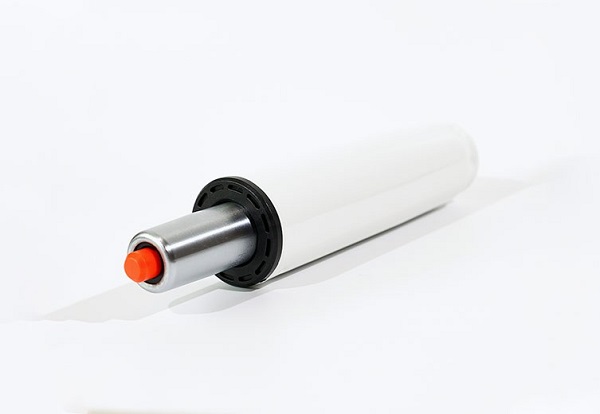
Before attempting removal, it's crucial to understand how the pneumatic cylinder functions within the chair's structure. The gas spring serves as the height adjustment mechanism, using compressed nitrogen gas to create smooth, controllable lifting force. This component connects the seat to the base through two friction-fit tapered joints—one at the seat mechanism and another at the base spider.
The typical office chair gas cylinder measures 8-12 inches in length and consists of an outer tube, inner piston rod, and internal gas chamber. According to workplace safety standards, these components are engineered to withstand daily loads of 250-350 pounds over thousands of compression cycles. However, over time, seals deteriorate, allowing gas to escape and causing the familiar sinking issue.
Essential Tools and Materials Required
Gathering the right equipment before starting will make the gas spring removal process significantly easier and safer. Professional furniture technicians recommend having these items on hand:
| Tool/Material | Purpose | Alternative Options |
|---|---|---|
| Rubber mallet or dead blow hammer | Striking the cylinder base without damage | Regular hammer with wooden block |
| Pipe wrench or adjustable wrench | Gripping and twisting the cylinder shaft | Large channel-lock pliers |
| Penetrating oil (WD-40 or PB Blaster) | Loosening rust and corrosion | White vinegar for mild cases |
| Safety glasses and work gloves | Personal protection during removal | None—always required |
| Screwdriver set (Phillips and flathead) | Removing seat mechanism bolts | Power drill with bits |
| Old towel or cardboard | Protecting floor during work | Drop cloth or newspaper |
Step-by-Step Gas Spring Removal Process
Step 1: Prepare the Workspace and Chair
Begin by selecting a well-lit area with enough space to work comfortably—ideally 6-8 feet of clear floor space. Place protective covering on the ground to prevent scratches and catch any lubricant drips. Fully lower the chair to its minimum height position by sitting on it and activating the height adjustment lever. This reduces internal gas pressure and makes the cylinder easier to handle.
Remove the seat from the chair mechanism by locating the four bolts underneath the seat pan. These are typically found in a square pattern and require a screwdriver or Allen wrench to remove. Set the seat aside in a safe location where it won't be damaged.
Step 2: Separate the Cylinder from the Base
Flip the chair base upside down so the gas cylinder points upward. The cylinder shaft inserts into the center hole of the five-star base. This connection relies on a tapered friction fit rather than threads, which means the removal technique involves breaking the friction seal.
Apply penetrating oil generously around the joint where the cylinder enters the base. Let it soak for 10-15 minutes to work into the microscopic gaps. For severely rusted connections, chemical reactions between iron oxide and penetrating oils may require 30-60 minutes of soaking time.
Position safely and strike the underside of the base spider (the plastic or metal star-shaped component) with sharp, firm blows using the rubber mallet. Focus strikes on the area directly surrounding where the cylinder enters. The goal is to create vibration that breaks the friction bond. Expect to deliver 10-20 solid strikes before movement occurs.
Step 3: Remove the Cylinder from the Seat Mechanism
Once separated from the base, work on removing the gas spring from the seat mechanism. The top of the cylinder inserts into the tilt mechanism's center bore using the same tapered friction principle. This connection often proves more stubborn than the base connection due to the weight load it bears during use.
Clamp the seat mechanism securely in a vise or have a helper hold it steady on a solid work surface. Apply penetrating oil around the cylinder shaft where it meets the mechanism housing. Using the pipe wrench, grip the exposed cylinder shaft firmly and twist counterclockwise while pulling downward with steady pressure.
If twisting alone doesn't work, alternate between twisting and tapping the mechanism housing with the mallet. The combination of rotational force and impact vibration typically breaks even the most stubborn connections. Some technicians report success rates exceeding 95% using this dual-action approach.
Step 4: Handle Difficult Removals
Approximately 20-30% of office chair gas spring removals encounter significant resistance due to corrosion, over-tightening, or adhesive contamination. When standard methods fail, consider these advanced techniques:
Heat Application Method: Using a heat gun (not an open flame), warm the base or mechanism housing around the cylinder insertion point for 2-3 minutes. Metal expands when heated, potentially loosening the grip on the cylinder. Allow cooling for 5 minutes before attempting removal again. Never apply heat directly to the gas cylinder itself, as this could cause dangerous pressure buildup.
Leverage Enhancement: Create additional leverage by sliding a length of pipe over the wrench handle, effectively doubling turning force. According to mechanical engineering principles, this lever arm extension can multiply applied torque by 2-3 times without requiring additional physical effort.
Penetrating Oil Soaking: For extremely stubborn cases, create a penetrating oil "bath" by wrapping the connection point with oil-soaked rags and covering with plastic wrap. Leave overnight (8-12 hours) to allow maximum penetration into the rust layers.
Critical Safety Considerations When Removing Gas Springs
Working with pneumatic cylinders demands respect for the compressed gas contained within. Modern office chair gas springs operate using pressurized nitrogen gas. This pressure remains even in "failed" cylinders that no longer hold the chair up.
Never attempt to cut, drill, or puncture a gas cylinder under any circumstances. Such actions can cause explosive decompression resulting in serious injury. Always wear safety glasses to protect against metal shavings or debris that may dislodge during removal. Work gloves prevent cuts from sharp edges on the base or mechanism components.
Ensure the workspace has adequate ventilation, as penetrating oils release fumes that can cause headaches or respiratory irritation in enclosed spaces. If working indoors, open windows or use fans to maintain air circulation. Keep the removed cylinder away from heat sources and dispose of it according to local regulations—many recycling centers accept them as scrap metal once properly depressurized.
Common Mistakes to Avoid During Gas Spring Removal
Even experienced DIY enthusiasts make errors that complicate the removal process. Understanding these pitfalls helps ensure a smooth, damage-free operation:
Using Excessive Force Too Early: Many people immediately resort to maximum force without allowing penetrating oil time to work. This approach often damages the base or mechanism before the cylinder budges. Patience yields better results than brute strength—let chemistry do the work before applying mechanical force.
Striking the Cylinder Directly: Hitting the gas cylinder shaft with a hammer can damage the internal piston rod or compromise the pressure seal. Always direct impacts to the base or mechanism housing, never the cylinder itself.
Forgetting to Lower the Chair First: Attempting removal while the chair is extended increases internal pressure and makes separation significantly harder. Always compress the cylinder fully before starting work.
Neglecting Penetrating Oil: Some users skip the lubricant step entirely, relying solely on force. This oversight is the primary cause of broken bases and stripped mechanisms. The modest cost of penetrating oil (typically $5-8 per can) prevents hundreds in potential damage.
Selecting and Installing a Replacement Gas Cylinder
Once the old gas spring has been successfully removed, choosing the correct replacement ensures optimal performance. Office chair cylinders come in several standard sizes, with the most common being Class 2 (light duty, up to 220 lbs), Class 3 (medium duty, up to 275 lbs), and Class 4 (heavy duty, up to 350 lbs).
Measure the old cylinder from the bottom of the base insertion point to the top of the mechanism insertion point when fully compressed. Standard lengths range from 7 to 11 inches compressed, extending to 12-16 inches when fully raised. Industry standards established by furniture safety organizations ensure compatibility across most chair brands, meaning an exact manufacturer match isn't necessarily required.
Installation reverses the removal process: insert the narrower end into the mechanism first, then press the base onto the wider bottom end. The tapered design creates a secure friction fit without requiring adhesives or fasteners. Most quality replacement cylinders include a plastic sleeve that protects the piston rod from dust and debris, extending service life to 5-7 years under normal use.
When to Call a Professional vs. DIY Removal
Most chair owners can successfully remove a gas spring using the techniques outlined above. However, certain situations warrant professional assistance. If penetrating oil has been applied, proper striking techniques used, and leverage tools employed for over 45 minutes without progress, the connection may have cold-welded due to dissimilar metals creating a galvanic bond.
High-end executive chairs with complex tilt mechanisms or integrated lumbar systems may benefit from professional service to avoid damage to expensive components. The typical professional service charge of $40-75 includes proper disposal and usually offers warranty on the replacement cylinder.
Conversely, DIY removal makes excellent financial sense for standard task chairs where the entire chair costs less than $200. The skill developed transfers to future repairs, potentially saving hundreds over the lifetime of multiple chairs.
Final Thoughts
Removing an office chair gas spring transforms from a daunting task to a manageable project when armed with proper knowledge and techniques. The key elements—patience with penetrating oil, proper striking technique, and appropriate safety measures—enable most people to complete this repair successfully in under 30 minutes. By mastering this skill, control over seating comfort is gained and the waste of discarding a perfectly good chair due to a single failed component is avoided.
Remember that the small investment in tools and replacement parts pays dividends through extended chair life and improved ergonomic performance. Whether fixing a sinking seat or upgrading to a heavy-duty cylinder, the ability to remove and replace a gas spring independently represents valuable knowledge in our increasingly disposable culture.
Frequently Asked Questions
How long does it take to remove a gas spring from an office chair?
Most removals take 15-30 minutes for someone with basic tool skills. Heavily rusted connections may require 45-60 minutes including soaking time for penetrating oil to work effectively.
Can the gas cylinder be removed without separating the seat?
While technically possible, removing the seat provides much better access and control during the removal process. The four bolts typically take less than two minutes to remove and significantly improve working position.
Is it dangerous if the gas cylinder breaks during removal?
Gas cylinders contain nitrogen, not toxic or flammable gas. If a seal breaks during removal, a hissing sound will be heard as pressure releases. While not dangerous chemically, always wear safety glasses to protect against potential metal fragments.
What size replacement cylinder is needed?
Measure the old cylinder's compressed length and note the diameter. Most office chairs use standard sizes with 2-inch diameter shafts. Match the class rating (2, 3, or 4) to weight requirements for best performance.
Why won't the gas cylinder come out despite using penetrating oil?
Severe rust or corrosion can create bonds stronger than the friction fit. Try the heat method on the housing, increase striking force, or let penetrating oil soak overnight. Approximately 5% of removals require professional hydraulic tools.
Can the old gas cylinder be reused if it still has pressure?
If the cylinder maintains height without sinking, it can be reinstalled. However, scratches or damage to the piston rod from removal attempts will cause future seal failure. Replacement cylinders cost $15-40, making reuse rarely worthwhile.
What's the best penetrating oil for removing stuck gas springs?
PB Blaster and Kroil are professional favorites for severe rust. WD-40 works adequately for light corrosion. For best results, apply oil, wait 15 minutes, tap the connection with a mallet to create micro-cracks in rust, then apply more oil.
How should a removed gas cylinder be disposed of properly?
Most scrap metal recyclers accept gas cylinders. Some facilities require drilling a small hole first to release pressure safely. Check local regulations as requirements vary by municipality.


