


 Sign in
 CN
CN

Do Gas Struts for Doors Come in Different Sizes? Your Complete Selection Guide for Cabinet and Caravan Applications
 Apr 16, 2026|
 View:183
When someone is installing or replacing hardware for cabinets, RV compartments, or vehicle hatches, they quickly discover that gas struts for doors aren't one-size-fits-all components. These hydraulic-pneumatic devices come in numerous configurations, each designed for specific weight loads, opening angles, and installation spaces. Understanding size variations and selection criteria helps ensure smooth operation and long-lasting performance.
Key Takeaways
Gas struts for doors are available in multiple size categories ranging from 15mm to 28mm cylinder diameter
Force ratings span from 50N to 1500N depending on the weight being lifted
Stroke length (50-1200mm) determines how far the door or lid opens
Proper sizing requires measuring door weight, mounting positions, and desired opening angle
Cabinet applications typically need 50-400N forces, while caravan bed lifts require 800-1500N
Mounting end fittings vary by application (ball joints, eyelets, threaded ends)
Understanding Gas Struts Size Classifications
Gas struts for doors are categorized by their cylinder and rod diameters, which directly impact their strength and durability. The sizing nomenclature typically follows a rod-to-tube format. For example, a 6-15 configuration features a 6mm diameter rod inside a 15mm diameter cylinder tube.
Common size categories include 6-15mm for lightweight cabinet doors, 8-18mm for standard furniture applications, 10-23mm for heavier cabinet doors and toolboxes, and 14-28mm for industrial equipment and heavy RV bed lifts. Each size category supports different force ranges and stroke lengths, making it essential to match the strut size to the specific application requirements.
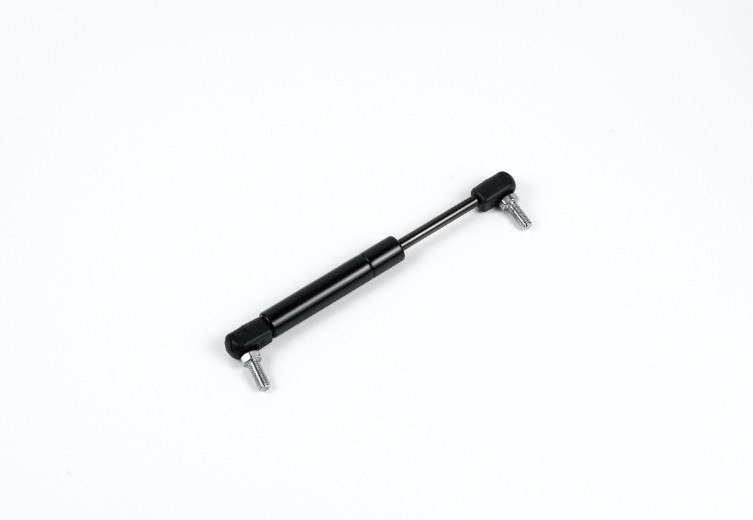
Cylinder Diameter and Load Capacity Relationship
The cylinder diameter determines the maximum internal pressure the strut can safely contain, which directly translates to lifting force. Smaller diameter struts (15mm cylinders) are suitable for forces up to approximately 400N, making them ideal for kitchen cabinet overhead doors and small storage compartments. Medium diameter options (18-23mm) handle 400-800N forces for applications like RV entry doors, larger cabinets, and truck tonneau covers. Heavy-duty large diameter struts (28mm cylinders) manage 800-1500N forces required for caravan queen bed lifts, large cargo hatches, and industrial equipment covers.
| Size Category | Rod x Cylinder (mm) | Force Range (N) | Typical Applications |
|---|---|---|---|
| Compact | 6 x 15 | 50-200N | Small cabinets, jewelry boxes |
| Standard | 8 x 18 | 100-400N | Kitchen cabinets, laptop stands |
| Medium Duty | 10 x 23 | 200-800N | RV compartments, truck toolboxes |
| Heavy Duty | 14 x 28 | 400-1500N | Caravan beds, industrial hatches |
Critical Dimensions: Stroke Length and Extended Length
Beyond diameter, stroke length represents one of the most important sizing parameters for gas struts for doors. The stroke is the distance the piston rod travels from fully compressed to fully extended position. This dimension directly controls how far a door, lid, or hatch opens.
Short stroke options (50-150mm) work well for flip-up cabinet doors with limited opening requirements. Medium stroke configurations (150-400mm) suit most RV compartment doors and standard toolbox lids. Long stroke varieties (400-1200mm) are necessary for large overhead hatches, pop-top camper roofs, and bed lift systems that need maximum clearance.
Extended Length Considerations for Installation Space
Extended length measures the total strut length when fully open, measured center-to-center between mounting points. This dimension determines the minimum installation space required. Cabinet designers must ensure adequate depth to accommodate the extended length without interference. A common mistake involves selecting struts with extended lengths that exceed available mounting space, preventing proper installation or creating collision points with adjacent structures.
How to Choose the Right Gas Struts for Doors: Step-by-Step Selection Process
Selecting appropriate gas struts for doors requires methodical evaluation of several factors. Following a structured approach prevents common sizing errors that lead to doors that won't stay open or close too forcefully.
Step 1: Calculate Required Force
The first step involves determining the lifting force needed. This calculation depends on the door weight, the distance from the hinge to the mounting point, and the desired opening angle. A basic formula considers the door weight multiplied by the mounting distance ratio. For cabinet doors weighing 5-10 pounds with mounting points 12 inches from the hinge, forces of 100-200N typically suffice. Heavier caravan bed mattresses weighing 50-80 pounds require 800-1200N when using two struts.
Professional installers often add a 10-20% safety factor to compensate for friction, aging, and temperature variations. Environmental conditions matter significantly, as gas struts for doors lose approximately 2-3% force per 10°C temperature decrease in cold climates.
Step 2: Measure Available Installation Space
After determining force requirements, measure the physical space available for strut installation. Record the distance between mounting points when the door is fully closed (compressed length needed) and fully open (extended length needed). Account for clearance around hinges, adjacent walls, and any internal cabinet shelving that might interfere with strut movement.
Step 3: Select Appropriate End Fittings
Gas struts for doors come with various end fitting options to match different mounting configurations. Ball joint fittings provide the most flexibility and easy installation, snapping onto ball studs welded or screwed to mounting surfaces. Eyelet fittings work with bolt-through installations where a pin or bolt passes through the fitting hole. Threaded fittings screw directly into tapped holes in the door or frame. Fork or clevis fittings accommodate applications requiring precise alignment.
Quick Selection Checklist for Gas Struts for Doors
Weigh the door or lid (use bathroom scale for large items)
Measure from hinge center to proposed strut mounting point
Measure available depth/height when door is closed and open
Determine desired opening angle (90°, 120°, etc.)
Count how many struts will be used (typically 1-2)
Check operating temperature range requirements
Identify mounting surface material and end fitting compatibility
Cabinet Door Applications: Sizing for Kitchen and Storage Cabinets
Kitchen and bathroom cabinets represent the most common residential application for gas struts for doors. Overhead cabinet doors that swing upward benefit from strut assistance, eliminating the need to prop doors open while accessing contents. Standard kitchen cabinet doors typically weigh 3-8 pounds depending on material and size.
For these applications, compact to standard size gas struts work effectively. A 8x18mm strut with 80-150N force and 100-200mm stroke handles most kitchen cabinet installations. The relatively short stroke allows the door to open 90-100 degrees while maintaining compact dimensions that fit within typical 12-14 inch cabinet depth.
Special Considerations for Heavy Cabinet Doors
Larger pantry doors, solid wood cabinets, or glass-front displays require stronger gas struts for doors. Weights can reach 15-25 pounds for oversized cabinet doors, necessitating 10x23mm struts with 300-500N force ratings. Using two struts instead of one provides better balance and prevents door twisting during operation.
Caravan and RV Applications: Specialized Requirements for Mobile Environments
Caravan and RV applications present unique challenges that require specialized gas struts for doors. Unlike stationary cabinets, caravan installations must withstand constant vibration, temperature extremes, and occasional tilting when parked on uneven ground. These demanding conditions require robust construction and additional features.
RV bed lift systems represent one of the most demanding applications. A queen-size mattress with bed frame can weigh 60-100 pounds. When lifted to access storage underneath, this mass requires substantial force distributed across two heavy-duty struts. Typical specifications call for 14x28mm struts with 800-1200N force per strut and 400-600mm stroke to provide adequate lifting height.
Vibration Resistance and Locking Features
Standard gas struts for doors may fail prematurely in RV environments due to road vibration. Specialized caravan struts incorporate internal damping mechanisms and optional locking features that prevent unwanted extension or compression during travel. Some models include mechanical locks activated at specific positions, ensuring storage compartments remain closed while driving at highway speeds.
According to industry testing protocols, quality RV gas struts should withstand vibration testing simulating 10,000 kilometers of road travel without loss of pressure or seal integrity. Temperature performance is equally critical, with specifications typically requiring stable operation from -40°C to +70°C to accommodate winter camping and summer desert conditions.
Material and Construction Quality Factors
Beyond basic sizing, the material composition and manufacturing quality of gas struts for doors significantly impact performance and longevity. Understanding these factors helps distinguish between budget options and professional-grade components.
Cylinder Material Options
Cylinder tubes are manufactured from either steel or aluminum alloy. Steel cylinders offer maximum strength and pressure containment, making them suitable for high-force applications. Steel construction typically undergoes QPQ (Quench-Polish-Quench) surface treatment or powder coating for corrosion resistance.
Aluminum alloy cylinders, particularly 6063 grade, provide excellent corrosion resistance while reducing overall weight—an advantage for mobile applications like caravans. Modern manufacturing applies specialized anodizing treatments that enhance surface hardness and weather resistance. For coastal environments or marine applications, stainless steel construction offers superior corrosion protection at a premium price point.
Piston Rod Specifications
The piston rod typically uses high-strength chrome-plated steel. Quality implementations specify 40Cr alloy steel with 20-micron chrome plating thickness to resist wear and corrosion. The chrome layer provides a hard, smooth surface that maintains seal integrity over thousands of operation cycles. Manufacturing standards require proper surface finish tolerances, as imperfections can damage internal seals and cause premature gas leakage.
Common Sizing Mistakes and How to Avoid Them
Several recurring errors lead to poor performance or installation failures when selecting gas struts for doors. Awareness of these pitfalls helps ensure successful applications.
Undersizing force is the most frequent mistake, where installers select struts with insufficient lifting capacity. This results in doors that won't fully open or slowly creep closed under their own weight. The opposite problem, oversizing force, creates doors that slam shut dangerously or require excessive effort to close. Both issues stem from inaccurate weight measurements or failure to account for mounting geometry.
Incorrect stroke length selection prevents doors from opening to the desired angle or causes struts to reach maximum extension before the door achieves full open position. Extended length errors occur when struts are too long for available installation space, creating interference with cabinet interiors or adjacent structures.
Ignoring temperature effects leads to performance issues in extreme climates. Gas struts for doors operate on compressed nitrogen gas, which follows predictable pressure-temperature relationships. A strut properly sized for 20°C indoor use may underperform at -20°C outdoor winter temperatures, requiring force compensation in the initial selection.
Professional Tip: Testing Before Final Installation
Before permanently installing gas struts for doors, perform temporary testing with removable mounting hardware. This allows force and operation verification without committing to drilling permanent mounting holes. Adjust strut position or specifications if performance doesn't meet expectations during testing.
Replacement and Upgrade Considerations
Existing installations eventually require replacement as gas struts for doors gradually lose pressure over time. Typical service life ranges from 50,000 to 100,000 cycles depending on quality and operating conditions. Signs of worn struts include reduced opening force, visible oil leakage around seals, or inability to hold doors open at previous positions.
When replacing struts, measure the existing unit carefully or reference any markings stamped on the cylinder. Most manufacturers include force rating and length specifications directly on the product. However, upgrades present opportunities to improve performance by selecting higher-quality materials, adding locking features, or adjusting force ratings if the original specification proved inadequate.
For caravan applications, upgrading to vibration-resistant models enhances reliability even if original equipment used standard struts. Similarly, coastal residents benefit from upgrading to stainless steel or enhanced-coating options that resist salt spray corrosion more effectively than standard steel construction.
Safety and Certification Standards
Quality gas struts for doors meet various international manufacturing and safety standards. Reputable manufacturers comply with ISO quality management systems that govern production consistency and testing protocols. Specific standards relevant to gas springs include guidelines for material specifications, pressure vessel safety, and mechanical testing procedures.
According to industry manufacturing standards, quality assurance protocols verify force accuracy within plus-or-minus 5% tolerance, leak testing at 1.5 times rated pressure, and cycle life testing through simulated use conditions. Environmental testing confirms performance across temperature ranges and validates corrosion resistance claims through salt spray exposure testing.
For RV and automotive applications, some regions require compliance with specific vehicle component standards. RoHS (Restriction of Hazardous Substances) certification ensures products don't contain harmful materials, particularly important for enclosed spaces where gas leakage could occur. SGS verification provides independent third-party confirmation of product specifications and quality claims.
Need Expert Help Selecting the Right Gas Struts for Doors?
Finding the perfect gas struts for doors requires balancing multiple technical factors. Whether you're outfitting kitchen cabinets, upgrading RV storage, or designing custom caravan bed lifts, getting the specifications right the first time saves time and money.
Colewell specializes in precision-engineered gas struts for doors with over a decade of manufacturing expertise. Their product line spans all common sizes from 15mm to 28mm cylinder diameter, force ratings from 50N to 1500N, and custom configurations tailored to specific applications.
Their engineering team provides free consultation on sizing calculations, mounting recommendations, and material selection to ensure optimal performance for your specific requirements.
Get Your Free Consultation Now →Maintenance and Performance Optimization
Proper maintenance extends the service life of gas struts for doors and maintains consistent performance. While these sealed units require minimal intervention, certain practices help preserve functionality.
Keep the piston rod clean and free from debris that could damage seals during compression. Wipe exposed rod surfaces periodically with a clean cloth dampened with light machine oil, which helps prevent corrosion and maintains smooth operation. Avoid using solvents or harsh chemicals that might degrade seal materials.
Inspect mounting hardware regularly, as loose connections create misalignment that accelerates wear. Ball joints should move freely without binding, and eyelet bolts require proper torque to prevent loosening from vibration. For caravan installations, check all mounting points after each trip and retighten as needed.
Environmental protection enhances longevity, particularly in challenging conditions. Marine environments and road salt exposure benefit from occasional rinsing with fresh water followed by light oil application. For RV storage during winter months, closing compartments to rest position reduces internal pressure stress on seals during prolonged periods of non-use.
Conclusion: Making the Right Choice for Your Application
Gas struts for doors absolutely come in different sizes, with hundreds of configurations available to match specific application requirements. Success depends on carefully evaluating weight loads, installation space, operating environment, and desired performance characteristics.
For cabinet doors, compact and standard size struts (6x15mm to 10x23mm) with forces between 50-500N handle most residential and commercial applications. Caravan and RV installations demand heavy-duty options (14x28mm) with enhanced features like vibration resistance, temperature stability, and optional locking mechanisms.
The selection process requires methodical measurement of door weight, mounting geometry, and available space, followed by matching these requirements to appropriate strut specifications. While online calculators and reference charts provide starting points, complex installations benefit from consultation with manufacturers or experienced installers who can account for variables like mounting angles, friction losses, and environmental factors.
Quality materials and proper manufacturing standards ensure reliable, long-lasting performance. Whether upgrading existing installations or designing new applications, investing in properly sized, quality-constructed gas struts for doors delivers smooth operation, extended service life, and user satisfaction.
Frequently Asked Questions
What size gas struts do I need for kitchen cabinet doors?
Most kitchen cabinet doors require 8x18mm struts with 80-200N force and 100-200mm stroke. Measure your door weight (typically 3-8 lbs) and mounting distance to calculate exact requirements. Two struts work better than one for doors wider than 24 inches.
Can I use the same gas struts for caravan beds and cabinet doors?
No, caravan beds require much stronger struts. Cabinet doors typically need 100-400N force with 8-10mm rods, while bed lifts require 800-1500N force with 14mm rods. Caravan struts also need vibration resistance and wider temperature ranges not necessary for stationary cabinets.
How do I measure gas struts for replacement?
Measure center-to-center distance between mounting points when extended (extended length) and compressed (compressed length). Note the force rating stamped on the cylinder (e.g., "200N"). Measure rod diameter and cylinder diameter. Identify end fitting types (ball joint, eyelet, etc.).
What happens if I use too strong gas struts on my door?
Oversized struts create excessive closing force, making doors slam shut dangerously. They may also prevent proper closing or damage hinges over time. Always match force ratings to actual door weight plus 10-20% safety margin, not significantly higher.
Do gas struts for doors work in cold temperatures?
Standard struts lose approximately 2-3% force per 10°C temperature drop. For outdoor or unheated applications, specify cold-weather rated struts or increase force rating by 15-25% to compensate. Quality RV struts are tested from -40°C to +70°C for all-season reliability.
How long do gas struts typically last?
Quality struts last 50,000-100,000 cycles or 5-10 years with normal use. RV struts exposed to vibration and temperature extremes may need replacement every 3-5 years. Signs of wear include reduced force, oil leakage, or inability to hold doors open.
Can I adjust the force on gas struts after installation?
Some professional struts include adjustable valves allowing force reduction of approximately 15-20% from maximum. However, most consumer struts have fixed force ratings and cannot be adjusted. Select the correct force initially rather than planning to adjust later.
External References:

